
Opinion
Can Africa’s Guided Trade Pilots Unlock a Wave of Internal Commerce?

By Dishant Shah
For decades, trade within Africa has been brimming with potential. Yet turning that promise into reality has often hit roadblocks: inconsistent customs regulations, cumbersome paperwork, and uneven infrastructure continue to hamper the smooth movement of goods across borders.
To address these challenges head-on, the African Continental Free Trade Area (AfCFTA) launched the Guided Trade Initiative (GTI) in October 2022. Rather than waiting for every detail of the massive trade agreement to be finalized, the GTI takes a pragmatic approach – selecting a group of prepared countries and a basket of products to test how preferential trade under AfCFTA rules can function in real-world conditions.
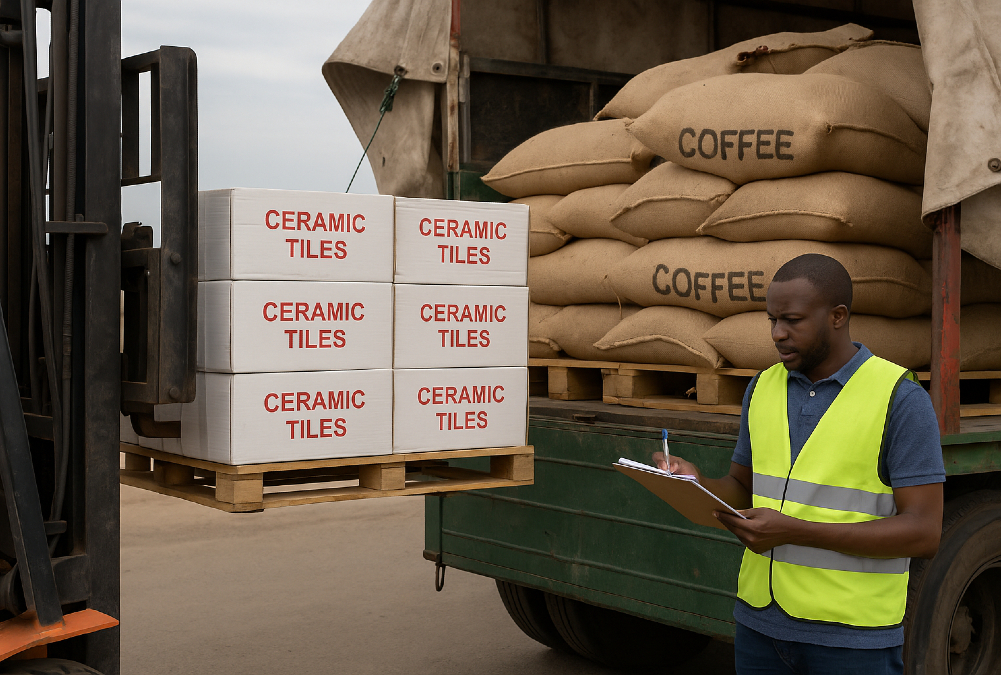
The first pilot phase brought together eight nations – Cameroon, Egypt, Ghana, Kenya, Mauritius, Rwanda, Tanzania, and Tunisia – and covered 96 products, from ceramic tiles and processed meats to tea, coffee, and sisal fiber.
Early wins included Rwanda exporting instant coffee and Kenya shipping batteries to Ghana – all facilitated under the new AfCFTA Certificate of Origin. These practical trials have helped fine-tune customs procedures, certification processes, and logistics chains, laying critical groundwork ahead of the full AfCFTA rollout.
By early 2024, the plan was to expand the initiative to include an additional 24 countries, significantly broadening both geographic reach and the range of goods eligible for duty-free or reduced-duty access. This expansion would more than quadruple participation, offering valuable insights into how diverse regulatory environments and regional markets adapt to the same framework.
Why It Matters
For years, intra-African trade has hovered around just 15 percent of the continent’s total trade volume – a stark contrast to regions like Europe and Asia, where internal trade accounts for over 60 percent and 50 percent, respectively. Despite rising exports, Africa still sends about 85 percent of its goods overseas, limiting growth opportunities for local industries, farmers, and small businesses that could thrive by tapping into regional markets.
In 2023, intra-African trade reached approximately US$192 billion, marking a modest 3.2 percent year-on-year increase and nudging the share slightly closer to 15 percent. While this signals progress, it also underscores the vast room for growth.
The GTI plays a crucial role in gathering real-world feedback on customs bottlenecks, digital tools like electronic certificates of origin, and transport corridors – all of which will shape the final AfCFTA implementation across all 54 signatory countries.
This step-by-step strategy – test, learn, adapt, and scale – is designed to transform policy ambition into measurable economic impact.
Of course, challenges remain. Infrastructure gaps, differing product standards, and capacity constraints are real hurdles.
But the GTI offers a structured pathway to overcome them – one that prioritizes learning through action.
Already, participating nations are reporting benefits: smoother border crossings, lower administrative costs, and more predictable delivery times. If these lessons can be scaled across the continent, the payoff could be transformative – shifting trade flows from distant global markets back to Africa’s own backyard.
As the GTI continues to evolve, so too does the opportunity for African producers to find new customers not only in Europe and Asia, but in their own neighborhoods. The vision of a truly integrated African market is still unfolding – but the journey has begun, one pilot at a time.
Dishant Shah is a partner at Legion Exim, a company specializing in facilitating the export of high-quality engineering products directly sourced from manufacturers in India to Africa. His areas of expertise include new business development and business management.
