
Alorh’s eye on the Motherland
Young Africans’ unwavering quest for change

By Mary Alorh
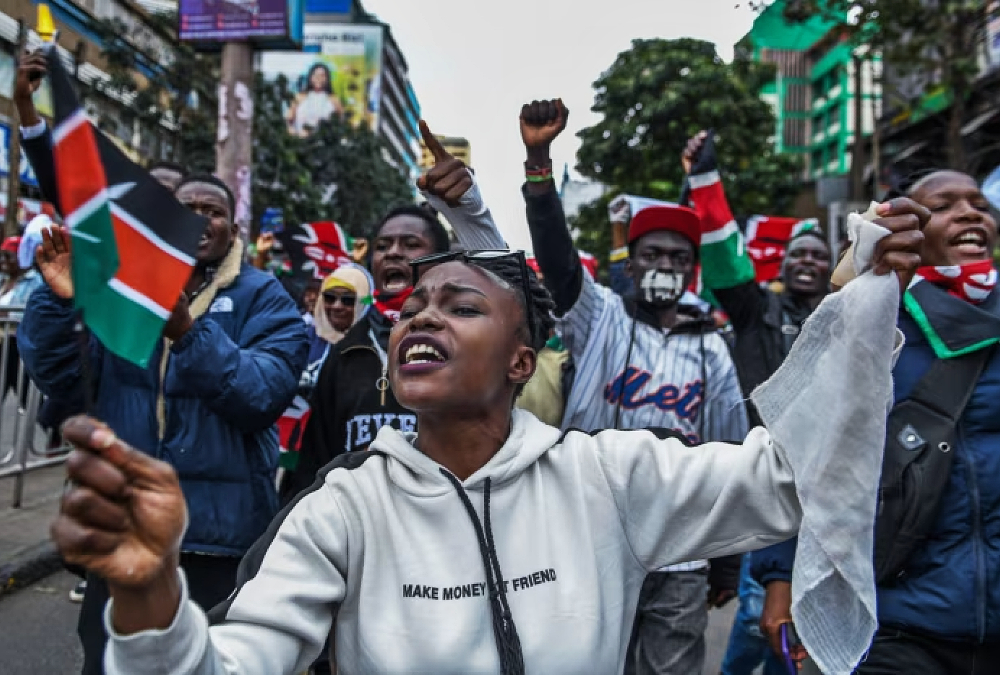
Across Africa, a rising tide of opposition is challenging the entrenched political elite, largely driven by young people and women. Historically, these groups have wielded considerable influence in African politics, and their impact is increasingly undeniable. The continent’s political leaders can no longer overlook the vigor, dedication, and sway these demographics bring to the forefront.
Movements like Ghana’s #FixTheCountry and Nigeria’s #EndSARS have ignited essential discussions about political reform. Although relinquishing power might be difficult for elites who have thrived under the post-colonial political system, change appears imminent due to several key factors.
Educational Reforms
Young activists are calling for enhanced investments in education and healthcare, underscoring long-held demands for quality schools and hospitals. Inspired by the strides made in Rwanda, Kenya, and South Africa, countries such as Sierra Leone, Malawi, and Madagascar have introduced free secondary education. This emphasis on education has led to a notable rise in primary school completion rates, increasing from 52 percent in 2000 to 67 percent in 2022 across the continent—indicating that positive change is indeed achievable.
Political Reforms
The political elite may be compelled to adopt a more inclusive system that embraces diverse perspectives. Political tolerance is essential for nurturing robust democracies. South Africa’s recent move to allow independent candidates in its upcoming elections represents a significant advancement, particularly given its distinctive parliamentary system. As opposition movements gain momentum, similar reforms are anticipated throughout the continent.
Economic and Trade Reforms
Post-COVID economic challenges in Africa demand solutions developed within the continent. Small and Medium Enterprises (SMEs), frequently run by young people and women, are vital to many African economies. Evidence shows that lowering trade barriers between African nations can greatly benefit these businesses. The introduction of the AfCFTA (African Continental Free Trade Area) in 2018, timed perfectly, is projected to boost intra-African trade by 33 percent and cut the continent’s trade deficit by 51 percent. This growth is set to empower SME owners significantly.
The relentless drive of Africa’s youth is pushing the continent’s political elite to embrace progress across social, economic, and political dimensions. While the process of change may seem challenging, it is steadily advancing and is expected to gain momentum.
Mary Alorh is Director of Administration at DefSEC Analytics Africa Ltd., and is an expert in Gender, Youth, and Peace & Security initiatives in West Africa.
