
Editorial
The Light at the End of the Racism Tunnel
If you have watched The Help, a feature film about black housemaids and nurses, the one overwhelming theme is that people will mostly side with their own skin color.
But there’s even something much more seminal at this juncture: Barack Obama’s presidency is forcing all and sundry to deal with the reality that black people [and all other minorities in America as it were] just need the same opportunities as the majority white people – and they can be part of the rising tide that elevates all ships.
At the same time, Obama has faced intense opposition from the mostly white men of the Republican party in Congress and in the different state legislatures. Although the Democratic Party does not necessarily get the white men vote, Obama is doing marginally worse than John Kerry did with this voting segment in 2004. But Obama is doing so very well with white women voters of all social and economic classes.
Does this story of a ten year old boy tell us the story of America’s dark history of race relations? Perhaps it does since there’s a lesson here: The first is that racism will be with us much, MUCH longer than we even think it will last. In fact, compounded with elements around the economy and the equitable distribution of resources, the blacks will continue to bear the ‘wretched of the earth’ title and there’s a chance that the systematic forces that conspire to “keep people in their place” will continue to do so at an even more precipitous pace.
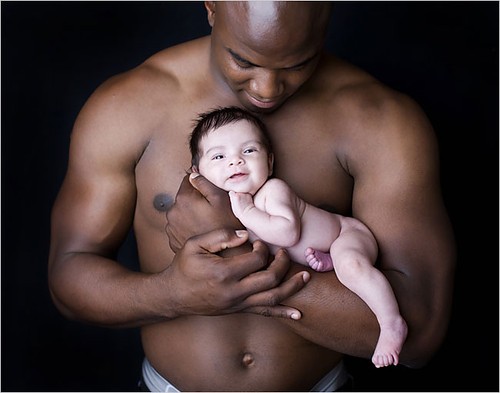
However, secondly, just like usually happens in nature, there’s a forebearer of what tomorrow will look like. We spoke of Tomorrow People in an editorial a long time ago. Then, we said that racism would end when people of the world were allowed to interact, intermarry and especially legitimately intermingle. While he has brought the ugly aspects to the fore, all those men and women of the Civil Rights Movement look at Obama’s America as a nation that is almost there.
And of course, there is hope for Leo. He has a friend that sees him as often as he can – a friend who engages him in conversation, a friend that seems to understand what he is going through. This friend is black; and that friend is me.
Dennis Matanda
Editor – [email protected]
* Last Name altered
