
Alorh’s eye on the Motherland
Sudan – A cry from afar

By Mary Alorh
Sudan’s crisis has not merely awakened dormant tensions but has instead revealed profound and long-standing societal challenges. Decades of political instability and neglect have stunted the development of critical infrastructure, including healthcare systems, exacerbating the hardships faced by its citizens.
The ongoing conflict has intensified these issues, pushing the country further into humanitarian collapse.
The rising death toll in Sudan is predominantly attributed to starvation, malnutrition, and preventable diseases, rather than direct casualties from bombings. The breakdown of societal functions, particularly healthcare, has worsened conditions.
Starvation and malnutrition, compounded by the spread of preventable diseases, now rank among the leading causes of death. Improper burials further heighten public health risks, as the infrastructure to manage such crises has disintegrated.
The use of starvation as a weapon of war has emerged as a particularly disturbing tactic, a strategy also noted in other conflicts such as the Gaza crisis, according to the UN. In Sudan, the military attributes the widespread hardship and insecurity to the Rapid Support Forces (RSF), a rebel faction accused of terrorism.
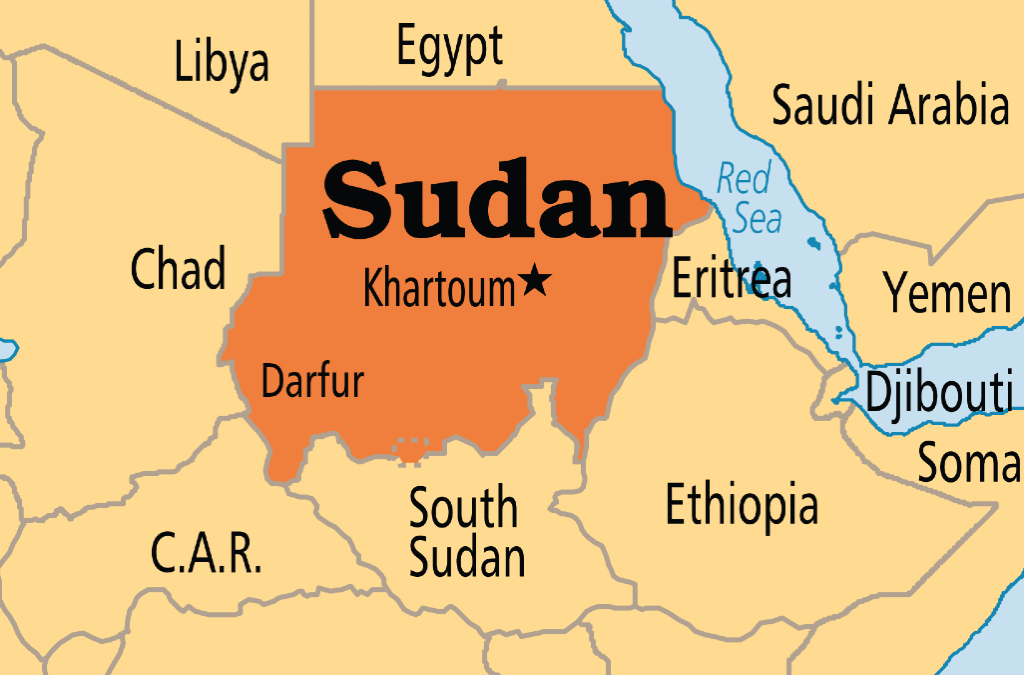
As the Sudanese army gains control over key areas, including parts of Khartoum, there is cautious hope for the restoration of essential services.
At the start of the conflict, the RSF seized control of Khartoum, looting properties, including homes and warehouses, and committing widespread sexual violence against vulnerable groups, particularly women and girls. While the army’s recapture of strategic areas in the capital provides an opportunity to negotiate peace, the RSF continues its offensive, particularly in the Darfur region, where fierce resistance persists.
The conflict has severely regressed societal progress. Families are being forced to marry off young girls to reduce financial burdens, while boys are recruited into armed groups.
Despite the catastrophic impact on civilians, Sudan’s crisis receives minimal international attention compared to other conflicts, such as those in Ukraine or Gaza. This neglect is starkly contrasted with the global outcry and support Sudan received during its earlier crises, including advocacy by high-profile celebrities.
Millions of displaced Sudanese now live under worsening conditions, with women and girls enduring unspeakable atrocities, including systematic sexual violence used as a weapon of war. Sexual assaults are not just acts of violence but are often intended as collective punishment to break the spirit of families and communities.
Many women and girls are fleeing to avoid becoming victims of sexual slavery, leaving them with lifelong psychological scars.
Neighboring countries like Chad and Egypt have opened their borders to host refugees, but the scale of displacement and suffering remains overwhelming. Vulnerable groups urgently need safety, basic resources, and medical aid.
To address this escalating crisis, the international community must provide the same level of attention and support as given to other global conflicts, mobilizing resources to alleviate the suffering and work towards a sustainable resolution.
Mary Alorh is Director of Administration at DefSEC Analytics Africa Ltd., and is an expert in Gender, Youth, and Peace & Security initiatives in West Africa.
