
Alorh’s eye on the Motherland
Shaping the political discourse of Africa: The role of the youth

By Mary Alorh
Over the years, the political landscape of Africa has undergone significant transformation, particularly in terms of political participation. Today, most African nations embrace multi-party democracy, a system in which the rule of law is a fundamental pillar. This rule of law, embedded in the constitution, ensures that governing power is regulated by legal frameworks.
In such constitutional democracies, no individual is above the law, and the principles of probity and accountability are expected to guide those in power. These principles are essential for maintaining checks and balances within the government and for combating the pervasive issue of corruption.
To address the billions of dollars lost annually to corruption, many African governments have implemented strict measures. For instance, Ghana has established the Office of the Special Prosecutor (OSP), while Botswana has the Directorate of Corruption and Economic Crime (DCEC).
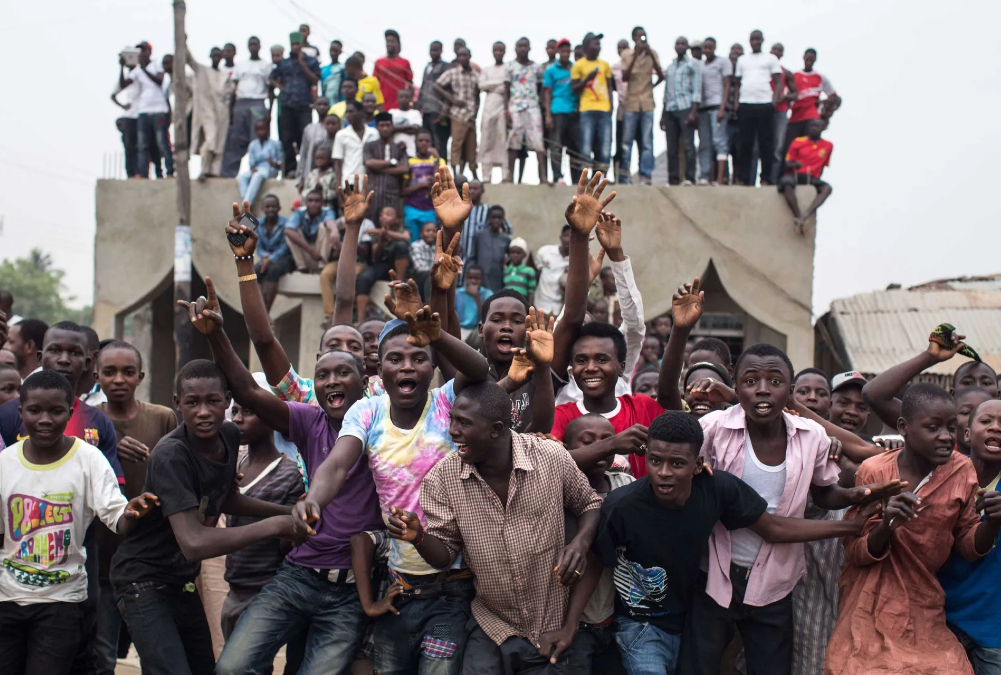
The youth, who make up over 60 percent of Africa’s population, are not willing to be sidelined. They are striving for economic, social, and technological development to secure the future they envision.
However, there is an ironic twist to this situation. Despite efforts to curb corruption, the size of Africa’s political elite continues to grow, with these elites and their associates often holding significant power. This bloated government structure has led to substantial national debts, plunging many African economies into financial distress.
In countries like Ghana, Kenya, and Nigeria, the political elite, who have amassed considerable wealth, seem to be the primary beneficiaries, often at the expense of the broader population.
This disparity has sparked outrage among Africa’s younger generation. As literacy rates increase across the continent, young, educated Africans are beginning to demand greater accountability from their governments. They are using technology to scrutinize government spending and question the integrity of those appointed to leadership positions, many of whom have been implicated in corruption and criminal activities.
For example, in Kenya, pressure from young people led President William Ruto to dissolve his cabinet, only to reappoint many of the same leaders, a move that has further angered the youth. In Ghana, corruption cases are often dismissed by the government before anti-corruption agencies can complete their investigations. Similarly, in South Africa, the Africa National Congress (ANC) recently nominated candidates with pending corruption cases and scandals in the elections.
The citizens of Africa have evolved significantly in recent years. With a rapidly growing young population and increasing access to technology, the political class must adapt their conduct. The youth, who make up over 60 percent of Africa’s population, are not willing to be sidelined. They are striving for economic, social, and technological development to secure the future they envision. By 2030, young Africans are expected to represent 42 percent of the global youth population, making their role in shaping the continent’s future increasingly critical.
Mary Alorh is Director of Administration at DefSEC Analytics Africa Ltd., and is an expert in Gender, Youth, and Peace & Security initiatives in West Africa.
