
Business
Ghana to Curb Raw Cashew Exports to Build Local Processing
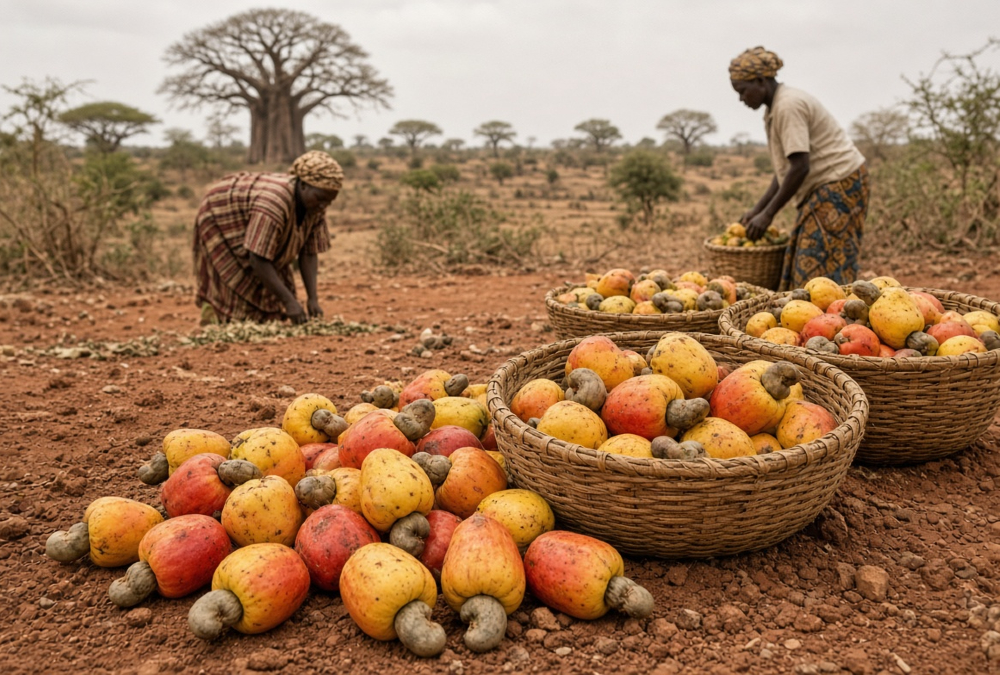
Ghana will impose a three-month ban on raw cashew exports at the start of each harvest season, prioritizing local processors in President John Mahama’s push to retain economic value and end the historical cycle of exporting raw commodities only to import finished goods.
Under the proposed policy, exporters may not ship raw cashews abroad until domestic manufacturers have secured sufficient supply. Once local demand is met, surplus exports will be permitted. The initiative mirrors the model of neighboring Côte d’Ivoire (Ivory Coast), a global cashew leader, and aligns with Mahama’s broader 2030 target to eliminate the export of unprocessed minerals and agricultural goods.
The economic rationale is stark. In 2025, Ghana produced over 262,000 metric tons of raw cashews, yet local facilities processed a mere 17,000 tons, according to the Ghana Export-Import Bank. Consequently, foreign processors capture the bulk of the value added.
To further bolster the domestic industry, the government also plans to impose an export levy on raw shipments. Revenue will be channeled into a dedicated fund to help local processors purchase raw materials and expand operations. While the policy promises to support thousands of farmers across Ghana’s central and northern regions, officials have yet to announce the ban’s effective dates, the specific levy rate, or detailed implementation guidelines.
