
News
Angola anxiously watches vote counting in national election
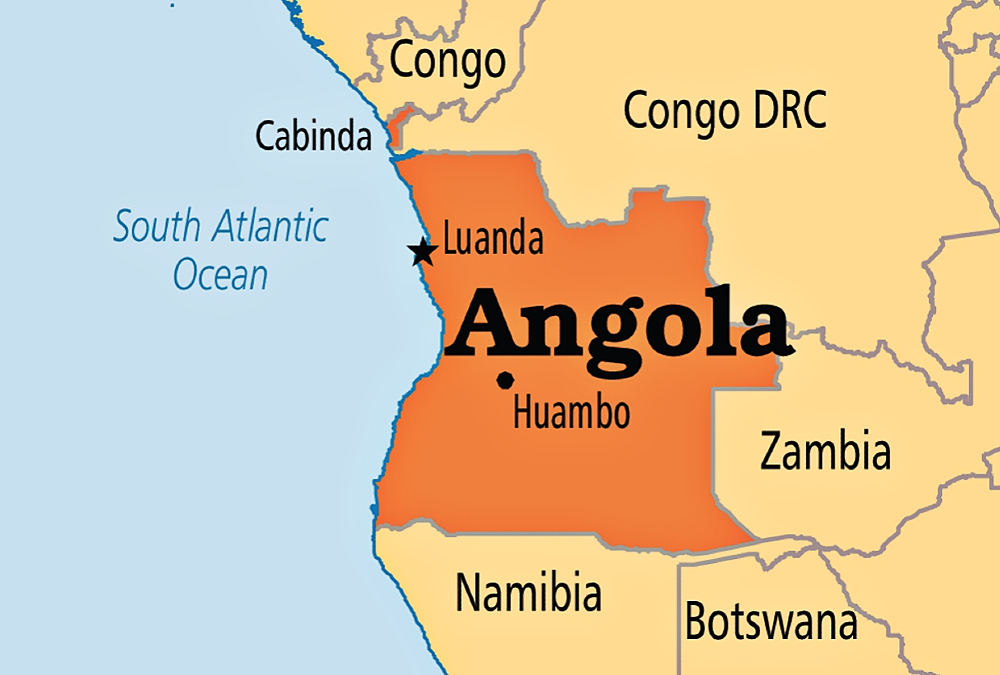
AP | Angolans are anxiously watching the vote counting in their election race between the ruling People’s Movement for the Liberation of Angola (MPLA) party and the opposition National Union for the Total Independence of Angola (UNITA).
With 86 percent of votes counted, the MPLA has the lead with 52 percent of the votes and UNITA has 43 percent, according to preliminary results announced Thursday morning by the National Electoral Commission. Smaller parties have received the remaining votes.
This is the opposition party’s best showing in 30 years. But many supporters of UNITA – assert that their party should be in the lead and charge that the official results are not accurate.
According to many experts, the MPLA holds an unfair advantage as it controls virtually all aspects of the election process.
The mood is calm but anxious in Luanda, the seaside capital on the Atlantic Ocean, where many voters openly say they voted for the opposition. Angola is Africa’s second-largest producer of oil and has rich diamond deposits, but the majority of the southern African country’s 34 million people remain in poverty, according to the U.N. With unemployment above 30 percent, many people say they want to see change.
Such vocal support for the opposition is unusual in Angola, which for many years was a one-party state ruled by the MPLA. Since 1992 the southern African country has been a multi-party democracy and many voters, especially those under 30, say they want to see change.
Both parties are former rebel movements that fought Portuguese colonial rule. The MPLA won power with backing from the Soviet Union and established Marxist rule when Angola became independent in 1975. UNITA fought a bitter civil war against the MPLA, with support from the U.S. and apartheid-ruled South Africa.
In a negotiated truce, the MPLA agreed to multiparty elections held in 1992. UNITA furiously rejected the MPLA’s win and the country was plunged back into civil war that only ended in 2002.
Since then, UNITA has transformed itself from a rebel group into a political party, particularly under the new leadership of Adalberto Costa Júnior, who didn’t fight in the civil war. Costa Júnior has succeeded in gaining support from other opposition politicians and intellectuals.
UNITA legally challenged its loss in the 2017 election but the courts ruled in favor of the MPLA.
