
Opinion
Africa’s ‘misfit’ innovators might just save the Free Trade Area
Africa is emerging as the next big retail hotspot
By By Charles Onyango-Obbo
A year after the official start of trading under the much-touted African Continental Free Trade Area (AfCFTA), commentators are saying it is already catching the African malaise – it is losing steam, African Business reported a few days ago.
Despite the “fantastic surprise speed” of progress in 2020, “the AfCFTA seems to be losing the momentum it gained amongst African leaders at the very time its importance is recognized elsewhere,” it quoted Carlos Lopes, former executive secretary of the United Nations Economic Commission for Africa, as saying.
The less-than-sunny outlook, however, came ahead of a report by Kearney’s Global Retail Development Index (GRDI), which tracks selected emerging retail markets around the world. It noted that while growth in Asia is slowing, “Africa is emerging as the next big retail hotspot”.
If the AfCFTA dream is floundering, it would suggest that the opportunities that could come from a pan-African market for retailers are fewer than if the common market was roaring on.
However, on the day the GRDI was released, I caught sight of a brief report that retail giant Amazon’s Prime Video will be bringing its viewers new releases from one of Africa’s leading movie studios, as the result of a deal it signed earlier in December with Nigerian production company Inkblot.
The report noted that “Amazon is joining a small number of video streamers in Africa, notably US streaming giant Netflix and South Africa’s Showmax, in the fight for eyeballs on the continent”.
For streaming services, the openings have been made possible in large part because of increasing internet connectivity in Africa. And it’s the internet – and air transport – that looks set to advance the opportunities in the pan-African market, rather than cross-border railway and roads, ports and the more traditional infrastructure that AfCFTA envisioned.
It is notable that in 2021, according to technology and innovation news publisher Disrupt Africa, more than 300 African tech start-ups had raised more than US$1.1 billion combined by August. It was the first time the sector had broken the US$1 billion mark – with a handful of months still left to the end of the year.
The majority of the big winners were all players in the pan-African space: Nigerian payments start-up Flutterwave which has a pan-African focus; Kuda, which aims to be Africa’s first fully-fledged digital bank; Moove, which provides revenue-based vehicle financing to help people across Africa own their vehicles; Egyptian/Libyan business-to-business e-commerce platform MaxAB, which is working expand across Egypt and the broader Middle East and North Africa (MENA) region; Cairo-based digital trucking marketplace Trella which raised money for major expansion in the Middle East, North Africa, Afghanistan, and Pakistan; South African payments and software start-up Yoco, which secured funding to speed up the development of its platform and expand internationally; and South Africa’s LifeQ, a provider of biometrics and health information derived from wearable devices and used in world-leading health management solutions, which raised money to help it scale operations.
These are just a few typical examples.
The trend is clear. Most are going around the traditional brick and mortar infrastructure, and the old economy and political rules.
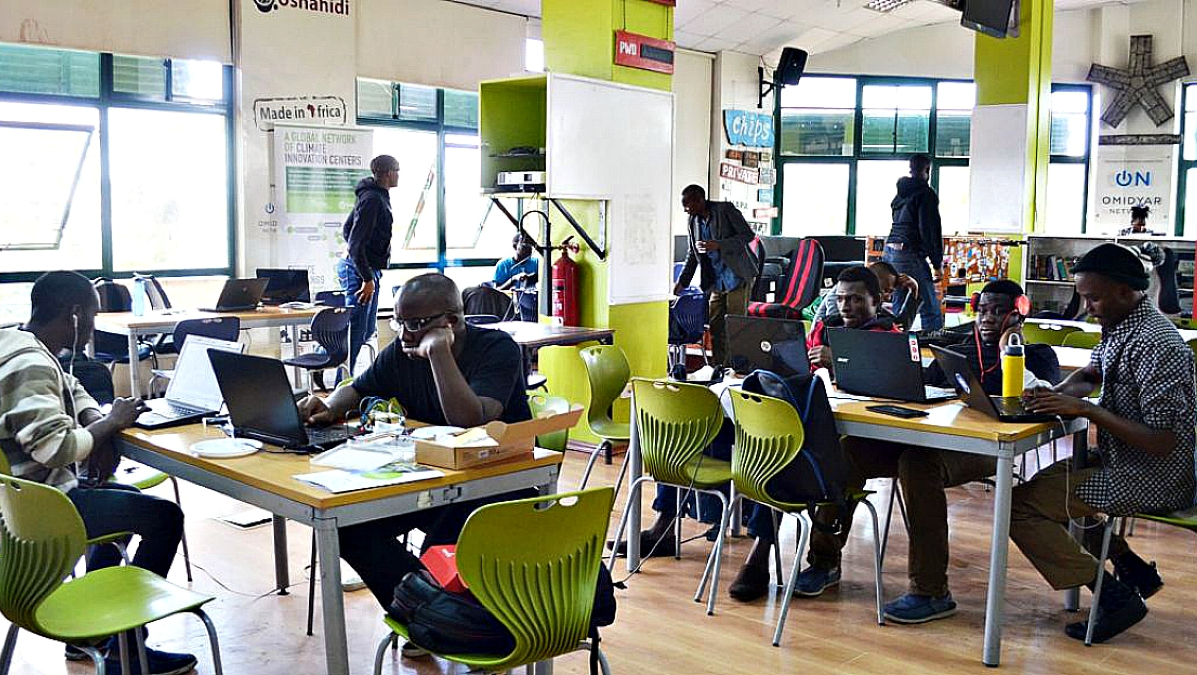
The AfCFTA might just accidentally be saved by some unlikely heroic misfits – Africa’s innovators.
Charles Onyango Obbo, is a Ugandan author, journalist, and former Editor of Mail & Guardian Africa. He is a former Managing Editor of The Monitor, a daily Ugandan newspaper, former Executive Editor for the Africa and Digital Media Division with Nation Media Group. He is the curator of the “Wall of Great Africans“.
The East African
