
News
Zimbabwe: Legislators to look at impeachment to force Mugabe to step down
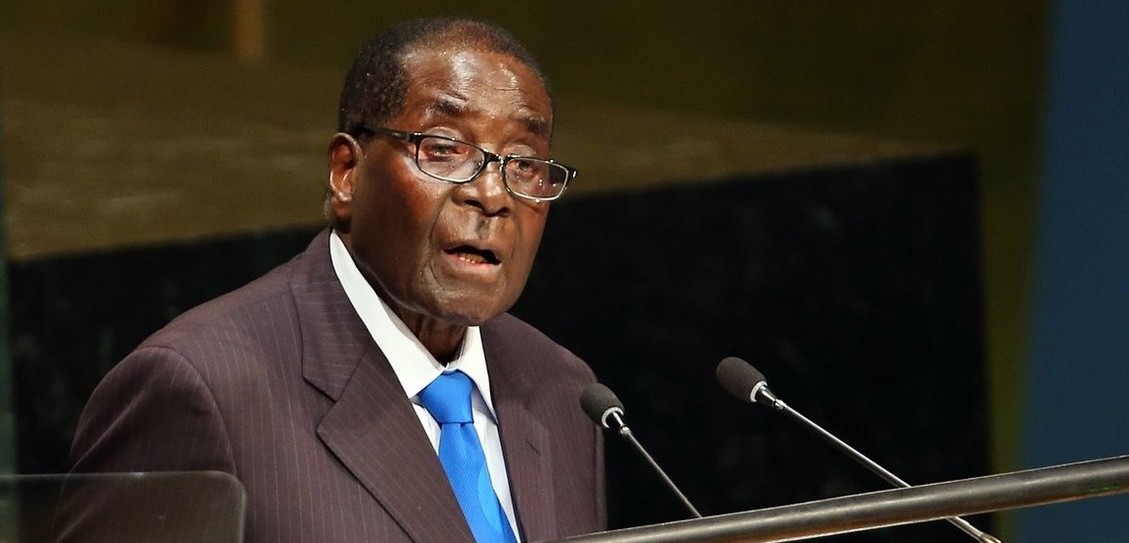
AFP | Zimbabwe’s embattled President Robert Mugabe faced the prospect of impeachment on Monday after going on national television to assert his control despite the military takeover and his party’s vow to force him out.
In a televised address late Sunday, the 93-year-old veteran leader defied expectations he would quit, pitching the country into a 2nd week of political crisis.
The speech provoked anger and disbelief among many Zimbabweans, fueling concerns that Mugabe could face a violent backlash.
His once-loyal ZANU-PF party – which has already dismissed him and told him to resign as head of state – had warned it would seek to impeach him if he failed to quit by mid-day local time (5:00 am EST). The party’s lawmakers, who will be needed to initiate any impeachment process, were expected to meet at 4:00 pm local time (9:00 am EST).
The army said it will make a statement in response to the crisis triggered by Mugabe’s refusal to go. Mugabe’s speech capped an extraordinary weekend that saw Zimbabweans celebrate and vent their anger in ways that would have been repressed just a week ago.
But their joy quickly turned to despair as Mugabe brushed aside the turmoil, blithely declaring he would chair a top-level meeting of the party that had just disavowed him.
Hundreds of demonstrators gathered at the University of Zimbabwe in Harare on Monday to call for Mugabe to stand down.
Dignified Exit
Morgan Tsvangirai, the leader of the main opposition Movement for Democratic Change, called Mugabe’s speech a “complete reversal of the people’s expectations”.
“The so-called negotiation with the army did not produce the dignified exit that the nation was expecting.”
Chris Mutsvangwa, head of the influential war veterans’ association, called for less restrained protests than those staged at the weekend in an effort to dislodge Mugabe. “This time there will be a sit-in. We are not going to be leaving Harare until this guy is gone,” he said Monday, as he also threatened legal action against the president.
The crisis erupted on November 13 after a factional squabble over the presidential succession erupted into the open.
Mugabe’s wife Grace, 52, secured prime position to succeed him when 75-year-old vice president Emmerson Mnangagwa, who is close to the military leadership, was fired.
The army took over the country and placed Mugabe under house arrest. The army has insisted its action is not a coup but is a police action to arrest allegedly corrupt supporters of the highly ambitious first lady.
When Mugabe refused to step down following behind-the-scenes talks, the generals unleashed people power.
In scenes reminiscent of Zimbabwe’s independence in 1980, crowds packed the cities, waving flags and chanting for Mugabe to resign. On Sunday ZANU-PF dismissed him as its leader and demanded he resign as head of state, naming Mnangagwa as the new party chief.
But impeaching Mugabe, who is the only leader most Zimbabweans have ever known, would require a two-thirds super-majority in both houses of Zimbabwe’s parliament which is due to resume on Tuesday.
Some sources suggest Mugabe has been battling to delay his exit in order to secure a deal that would guarantee future protection for him and his family.
