
News
U.N. looking to raise $200 million to compensate Haiti cholera victims
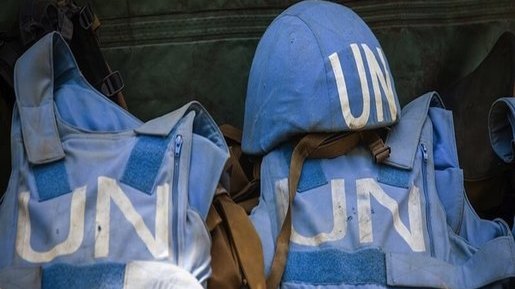
The United Nations (U.N.) has revealed that it is looking to raise US$200 million from member states to compensate the families of people who have died from cholera in Haiti.
David Nabarro, a special adviser to the secretary-general, said Monday that the money to “provide material assistance” was part of a new U.N. approach to dealing with the disease that is believed to have been introduced to Haiti by U.N. peacekeepers.
He denied, however, that the proposed assistance amounted to acknowledgement of responsibility on the part of the U.N. for the disease which has sickened nearly 800,000 Haitians and killed some 9,300.
“We are not talking about anything other than a moral responsibility to those most affected by the cholera epidemic,” Nabarro said. “I suppose in my own case, I want to help the people of Haiti to come through a dark, dark period between 2010 and now, where I know from my time working with them, that there is a big sense that this has been a really unfortunate difficulty that they have had to cope with.”
For years the U.N. had denied or been silent on longstanding allegations that it was responsible for the outbreak, while responding to lawsuits in U.S. courts by claiming immunity under a 1946 convention. In August, a U.S. appeals court upheld the United Nations’ immunity from a lawsuit filed on behalf of 5,000 Haitian cholera victims who blame the U.N. for the epidemic.
Nabarro said that many details remained to be worked out and that he did not want to discuss how much money the victims’ families would receive until there was sufficient money committed to provide compensation.
He also said that he expected half of the US$200 million could be distributed to communities where had been most affected by the cholera epidemic.
The payments would constitute the second phase of a 2-track plan the U.N. is mobilizing as part of its new approach to cholera in Haiti.
The first part, which also requires some US$200 million, would equip rapid response teams that could be dispatched to areas where new outbreaks of cholera are reported. It would also fund cholera vaccines and address medium- to long-term concerns by investing in clean water and sanitation systems.
Researchers say there is ample scientific evidence the disease was introduced to Haiti’s biggest river by inadequately treated sewage from a base set up by U.N. peacekeepers in 2010.
Cholera is caused by bacteria that produces severe diarrhea and is contracted by eating or drinking contaminated food or water. It can lead to a rapid, painful death through complete dehydration, but is easily treatable if caught in time.
Nearly 6 years later, there has been scant progress addressing the chronic lack of sanitation and access to clean water in Haiti that allow the disease to flourish.
Source: Associated Press
