
Business
The next step: Unlocking Africa’s potential through strong regional value chains with China
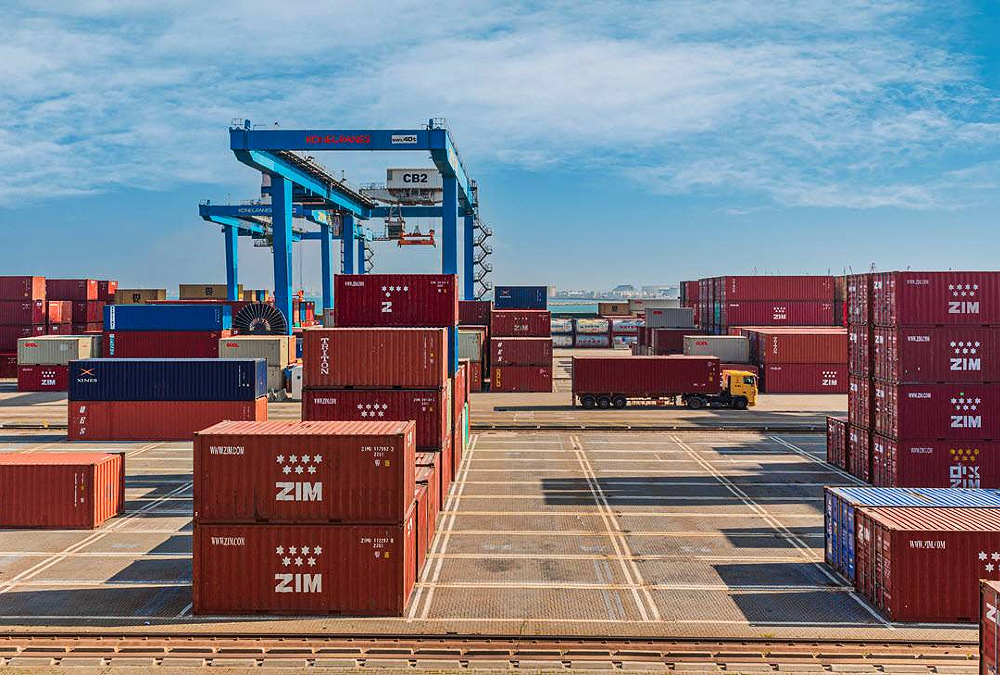
China has soared to become sub-Saharan Africa’s top trading partner in the past two decades. A fifth of the region’s exports now head to China, while Africa sources roughly 16 percent of its imports from there, according to the International Monetary Fund (IMF). This flourishing trade reached a record high of US$282 billion in 2023.
The trade relationship is characterized by a clear exchange of goods. Africa primarily sends raw materials like metals, minerals, and fuel to China, while China supplies Africa with manufactured products, electronics, and machinery.
Beyond trade, China has emerged as a significant lender to African nations, filling a crucial gap in infrastructure, mining, and energy financing. China’s role in Africa’s external debt has grown dramatically, rising from less than 2 percent before 2005 to a hefty 17 percent (or US$134 billion) by 2021.
Foreign direct investment (FDI) from China to Africa has also witnessed a substantial increase over the past two decades. In 2003, the annual FDI flow was a modest US$75 million. By 2022, it had peaked at US$5 billion, accounting for roughly 4.4 percent of Africa’s total FDI. The Belt and Road Initiative (BRI), a global development strategy launched in 2013, serves as the framework for China’s FDI, focusing primarily on infrastructure projects in transportation, energy, and mining.
