
Business
Nigeria Unveils New Policy to Boost Use of Naira in Bilateral Trade
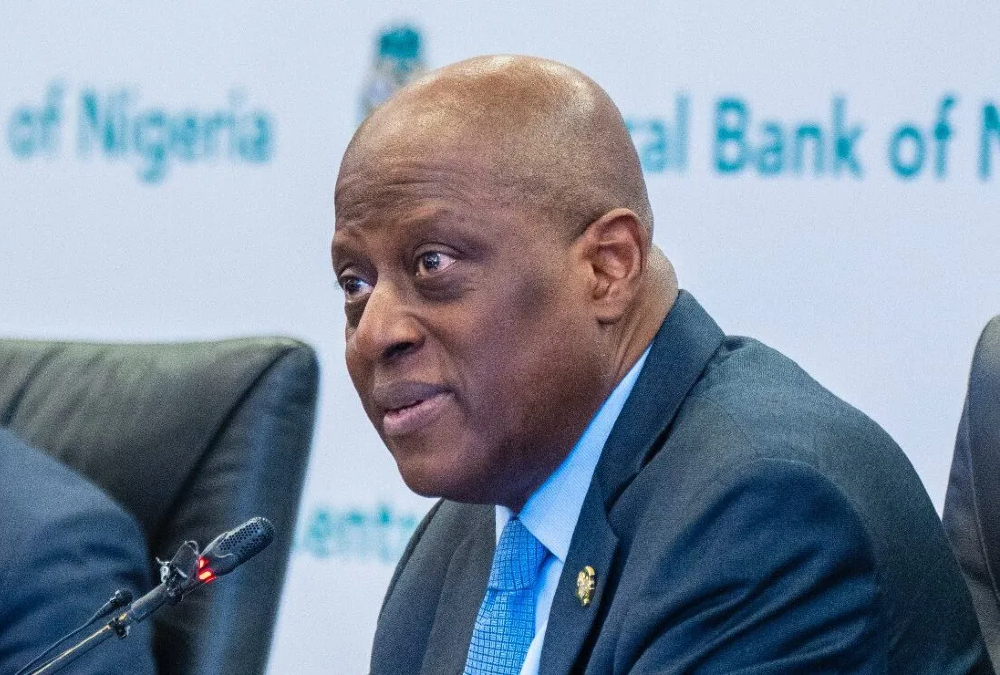
Nigeria is relaunching efforts to settle bilateral trade in local currencies, buoyed by recent foreign exchange reforms that have strengthened the naira and delivered the country’s first sustained trade surplus in years.
Central Bank of Nigeria (CBN) Governor Olayemi Cardoso announced a new, structured framework to promote naira-based trade settlements – marking a strategic reboot after earlier attempts faltered. “We are at an elementary stage, but now with a more competitive currency and a win-win mindset,” Cardoso said at a press briefing.
The initiative aims to reduce reliance on the U.S. dollar in cross-border transactions, building on lessons from a 2018 naira-yuan swap deal with China that struggled due to low trader uptake, liquidity shortages, and exchange rate volatility. That agreement has since been renewed: in December 2024, Nigeria and China extended their bilateral currency swap to ₦3.28 trillion (US$2.09 billion), valid for three years.
Cardoso credited Nigeria’s recent macroeconomic overhaul – including a unified, market-driven exchange rate – for stabilizing the naira, curbing excessive imports, and fostering a projected trade surplus of 6 percent of GDP. “We have built resilience,” he said, noting improved investor confidence and stronger buffers against oil price shocks.
The move aligns with broader efforts by emerging economies to reshape global financial architecture. As First Vice-Chair of the Group of 24 (G24), Cardoso highlighted strengthened representation of developing nations in Bretton Woods institutions under Argentina’s G24 leadership.
Recent G24 communiqués now reflect shared priorities like debt sustainability, inflation control, and domestic resource mobilization.
“Sound macroeconomic policy remains the cornerstone of stability,” Cardoso emphasized. “Those who implement it consistently are already seeing results.”
Nigeria’s renewed local-currency trade strategy signals both economic recovery and a geopolitical shift – toward greater autonomy in global commerce and finance.
