
Business
Race on to save Caribbean banana industry from impact of climate change
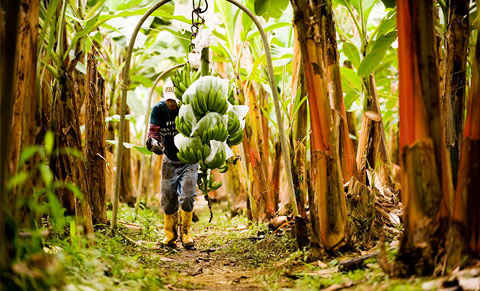
When Dean, the first storm of the 2007 Atlantic hurricane season, lashed Dominica on Aug. 16, it left behind a trail of destruction, claimed the lives of a mother and son, and decimated the island’s vital banana industry. Seven years later, Dominica’s agricultural sector remains painfully vulnerable to natural disasters and climate variability. Every year, farmers lose a significant portion of their crops and livestock during the six-month hurricane season.
“Our first major hurricane was Hurricane David in 1979, which ravaged the entire country. Everything went down,” former prime minister Edison James, himself a farmer, told IPS. “Since then we’ve had storms and hurricanes from time to time which have caused damage of varying extent.
“Sometimes we have 90 percent crop damage, particularly bananas and avocados and tree crops generally.” The banana industry is a valuable source of foreign exchange for several Caribbean countries, including Dominica. The island produces approximately 30,000 tonnes of the fruit annually, earning an estimated 55 million dollars. The neighboring islands of St. Lucia and St. Vincent and the Grenadines, which together market their fruit under the Windward Islands Banana brand, earn an average of 68 million dollars.
The banana industry is also the second largest employer on the island after the government, providing work for 6,000 farmers and many others within the sector. Research has found that even slight temperature increases can damage banana production or even eliminate it altogether.
James, a longstanding legislator who served as prime minister from 1995-2000, has shifted to “multi-crop farming” over the last decade. But he has suffered huge losses of bananas, plantains, coconuts, okra, and other crops. He blames unpredictable rainfall, ironically in a country best known for its many rivers and abundance of water.
“There has been drought from time to time and it has been very intense in areas like Woodford Hill and Londonderry,” he told IPS. So intense was the drought that “the country was moved to take action to put in place irrigation systems,” James explained. “So wind and drought have been the climatic factors affecting us here in Dominica.”
A water resources specialist with the Reducing the Risks to Human and Natural Assets Resulting from Climate Change (RRACC) project in the OECS Secretariat, Rupert Lay, said the potential losses to farmers in Londonderry and Dominica as a whole are hitting across the board, a situation which is increasingly common in the region.
