
Business
Nigeria registers mobile phones
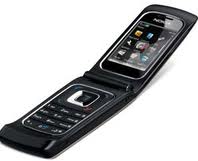
In a nation run by mobile phones, Nigeria now faces a looming deadline for subscribers to register their lines in a government effort to know who’s making calls in a major African market.
Those who refuse to register will be disconnected from Nigeria’s booming mobile phone market, which boasts an estimated 90 million lines for people who long ago gave up on the troubled state-run telephone company, a communications official said.
The licensing of mobile phone operators in 2001 forever changed life in the West African nation. Ten years later, the country is faced with the daunting task of registering its mobile phone users.
The registration process includes users giving fingerprint samples and being photographed at mobile phone company stores and streetside centers throughout Nigeria, Africa’s most populous nation. Users also provide biographical information, including their address, their mother’s maiden name and even their religion.
The Nigerian government said the registration will provide a database for investigators to use to secure the country, which has seen a growing tide of terror attacks in recent months. However, it also will offer a valuable database in a country where census figures often get manipulated.
“You can consider this one of the most valuable sources of data-mining,” Lagos-based communication consultant Tunji Lardner said. “It is a sophisticated tool with data that has been sliced by gender, age, religion, profession, and address.”
Nigeria has a crowded mobile phone market, which includes the industry leader South Africa-based MTN Group Ltd., Nigerian company Globacom Ltd., India’s Bharti Airtel Ltd. and Dubai-based Emirates Telecommunications Corp. Many Nigerians own multiple lines with different providers so they can switch networks when connections fail and enjoy discounted call rates.
Mobile subscribers who haven’t registered their lines over the last six months will get one more chance, Nigerian Communications Commission (NCC) spokesman Reuben Muoka said Wednesday. However, the commission has set no deadline for the extension, meaning lines could be disconnected at anytime if they don’t act now, Muoka said.
A similar exercise in South Africa, a country of about 50 million people, took almost two years. Nigeria has 150 million people and various groups clamored for an extension as the initial deadline of Wednesday neared.
