
Business
Ethiopia Moves Closer to Nuclear Power With Russian Partnership
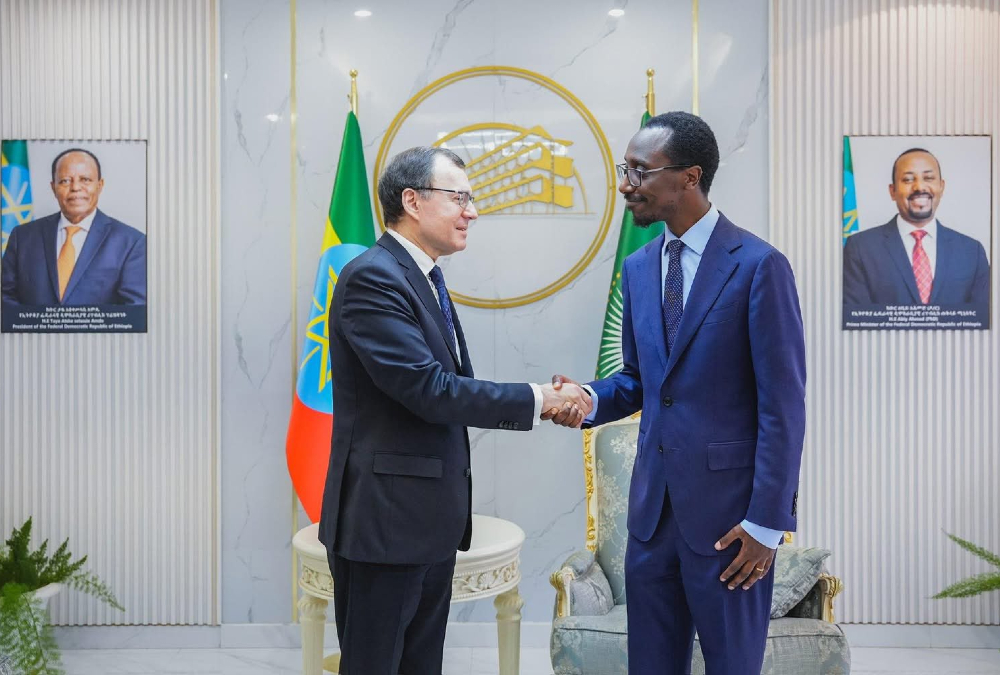
Ethiopia has signed a strategic roadmap with Russia’s Rosatom to develop civilian nuclear energy, marking a decisive step toward the Horn of Africa nation’s first power plant.
On March 31, Foreign Minister Gedion Timothewos Hessebon and Rosatom executive Nikolay Spassky formalized the framework in Addis Ababa. The document outlines phased cooperation on plant design, regulatory capacity, and workforce training – building on a September 2025 agreement covering peaceful nuclear uses.
The initiative anchors Prime Minister Abiy Ahmed’s US$30 billion infrastructure agenda, which also targets new refineries, gas processing, and airport expansion. Ethiopian officials stress local capacity building as essential to long-term energy sovereignty.
Bilateral nuclear talks date to 2017 but accelerated markedly over the past year. By October, discussions had broadened to trade and technology transfer; in November, a Russian firm committed US$1 billion to an aluminum smelter – signaling early economic spillovers from deepening ties.
Analysts note that while nuclear power could diversify Ethiopia’s grid – currently reliant on hydropower vulnerable to drought – execution risks remain high. Success will hinge on financing, regulatory rigor, and sustained political commitment.
