
Business
Central Bank: Trinidad & Tobago “officially in a recession”
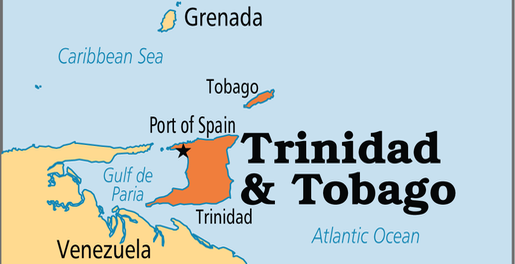
The Central Bank of Trinidad & Tobago Friday said that the oil-rich twin island nation is “officially in a recession” after it failed to post any economic growth for any quarter of 2015.
Central Bank Governor, Jwala Rambarran, addressing the Fifth Monetary Policy Forum organized by the Downtown Owners and Merchants said the country is “facing austere economic circumstances”.
“The economic priorities in 2016 must be aimed at supporting a firm enough recovery through appropriate monetary and fiscal policies, setting forth a medium-term framework which balances consuming, saving and investing energy wealth.”
He said that the appropriate monetary and fiscal policies could only come from the Central Bank and the Ministry of Finance working together.
Rambarran said that the grim reality is Trinidad & Tobago is in a recession, stuck in a low growth cycle, vulnerable to further declines in oil prices and production. He said the Central Bank’s short-term outlook for 2016 is for continued contraction of the Trinidad & Tobago economy, on the back of a further decline in the energy sector, which will compound sluggishness of the non-energy sector, the country’s external position to come under more pressure.
“Four consecutive quarters of decline in real gross domestic product (GDP) in 2015 means Trinidad & Tobago is now officially in a recession,” he said, adding “what brought on this 2015 recession – should not come as a major surprise to many of us”.
According to the Central Bank, prolonged supply disruptions in the energy sector in 2015 continued to result in sharp shortfalls of natural gas production which, in turn, adversely affected output of liquefied natural gas (LNG) and petrochemicals, including methanol, ammonia, urea and iron and steel. Lower energy (oil) prices also negatively impacted the domestic energy sector – which has already been reflected in job losses at some energy companies.
“The non-energy sector, which has kept the economy from veering off its already weak growth trajectory for the past few years, seems to have lost its momentum. Weakness has crept into key sectors such as distribution and construction, following a temporary pick-up in non-energy activity driven by spending in the run-up to the General Elections. The latest Business Confidence Survey suggests optimism waned among the local business community in the third quarter of 2015.”
The country’s Central Bank estimates the Trinidad & Tobago economy is likely to contract by 1.5 percent this year, a reversal of the sluggish but still fairly decent growth of around one per cent in 2014.
During the campaign for the September 7 general elections, the Kamla Persad Bissessar-led People’s Partnership administration had denied any economic slowdown in the court and dismissed the then Opposition People’s National Movement (PNM) of not having any plan to further improve the economy.
The last time the the country saw economic performance figures like these was in 2009 – a recession which lasted all of one year, prior to that, the country experienced a severe recession for 7 consecutive years from 1983 to 1989.
