
Business
Barbados – The least corrupt country in the region
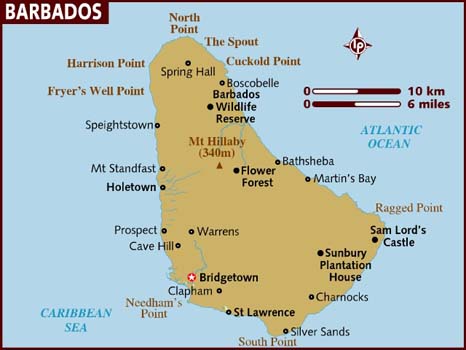
CMC – Transparency International’s 2011 Corruption Perceptions Index (CPI) on Thursday ranked Barbados as the least corrupt country in the region.
A report released by the Trinidad and Tobago Transparency Institute (TTTI) said Barbados and Dominica maintained their rankings well ahead of Trinidad and Tobago at 16 and 44 respectively out of 178 countries.
Of the 11 Caribbean Forum (CARIFORUM) countries ranked, five were above the midpoint score of five points.
Barbados was followed by the Bahamas at 21; St. Lucia at 25; St. Vincent at 36, Dominica; Jamaica at 86; Trinidad and Tobago at 91, Suriname at 100; Dominican Republic at 129; Guyana at 134; and Haiti at 175.
The country ranked first in 2011 with the highest score is New Zealand with a score of 9.5 and the lowest ranked country is Somalia with a score of 1.0.
The CPI is a measure of perceptions of public sector corruption.
It is a survey of surveys undertaken by international institutions ranking various countries based on the perceptions held by senior resident business leaders and non-resident analysts.
It should be noted that the CPI is a perceptions test and does not aim to capture the reality of corruption on the ground.
The TTTI said the 2011 CPI results suggest that there is a widely held perception that the issue of corruption in Trinidad and Tobago has not as yet been comprehensively addressed by the authorities.
It noted that two major campaign promises from the 2010 General Elections, that could have reversed this perception, are still to be addressed: the implementation of the recommendations of the Uff Enquiry into the Construction Sector and the enacting of new public sector procurement legislation.
Several events in the past year have also created the opportunity to raise questions about the current Administration’s avowed commitment to transparency and accountability. These include Minister Jack Warner’s continued presence in the Administration and many allegations about improper procurement and poor governance practices at some State agencies.
TTTI said while the Administration in Port-of-Spain has insisted on selectively observing the rules of natural justice in these matters it is possible that, by allowing some incumbents to remain in office while lengthy and still unresolved investigations take place, its reputation has been harmed by association.
It said overhanging all of this are the disclosures arising from the Colman Commission of Enquiry into CL Financial/CLICO and Hindu Credit Union (HCU) that involve serious allegations that impropriety in corporate governance has resulted in financial distress for thousands of people and a negative impact on the public coffers that has contributed to a reversal of the fortunes of the country in a very short time.
