
Business
Barbados implements groundbreaking Debt-for-Climate Resilience swap
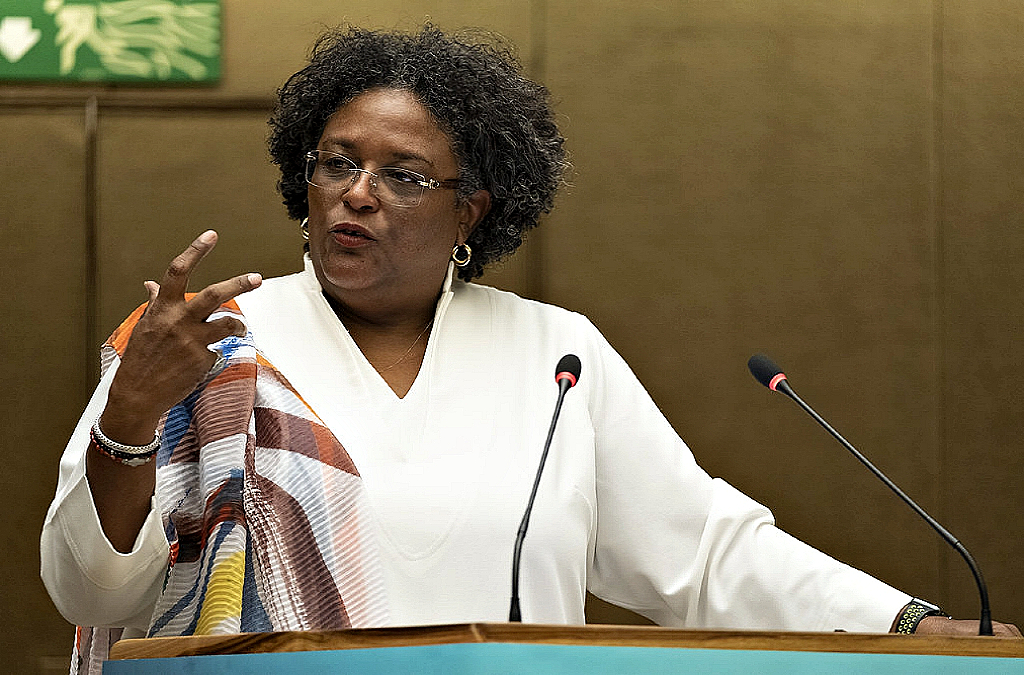
In a groundbreaking effort to combat climate change while alleviating its debt burden, Barbados has successfully implemented the world’s first debt-for-climate resilience swap. This innovative strategy aims to enhance the island nation’s climate adaptation initiatives while easing the financial pressure of high-interest loans.
The agreement entails substituting a portion of Barbados’s expensive sovereign debt with a lower-interest loan, thereby freeing up approximately US$125 million for essential environmental projects. These funds are designated for improving sewage treatment facilities, which will not only enhance water supply but also reduce pollution levels in the Caribbean Sea.
Despite being surrounded by water, Barbados is one of the most water-scarce countries globally. The limited availability of water significantly hinders agricultural productivity, leading to increased food import costs and economic difficulties.
Prime Minister Mia Mottley, has become a prominent advocate for climate finance reform on the global stage. She has supported initiatives such as the Bridgetown Initiative, which seeks to reimagine international financial institutions like the World Bank to better assist small nations facing climate change challenges.
“In the face of the climate crisis, this transformative agreement offers a blueprint for vulnerable states, delivering immediate adaptation benefits for Barbados,” Mottley remarked.
The debt swap includes sustainability targets that focus on the quantity and quality of reclaimed water produced by the upgraded sewage treatment systems. If these targets are not met, the government will face financial penalties, ensuring accountability and progress.
This pioneering initiative could serve as a template for other low-income countries struggling with climate adaptation issues. Many nations have voiced their dissatisfaction with the limited climate finance commitments made at COP29 in Baku, Azerbaijan, highlighting the urgent need for innovative solutions like the one adopted by Barbados.
