
Business
Aflatoxin Poisoning Threatens East Africa Trade and Public Health
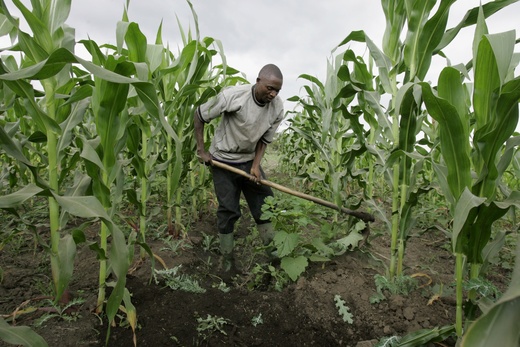
Millions of East Africans consume unsafe amounts of the carcinogenic fungus, aflatoxin, daily through their food. Aflatoxin poisoning in East Africa has become an epidemic, particularly in arid and semi-arid areas, according to the USAID-Danya International report. The extent of aflatoxin poisoning in East Africa is only now coming to light, and experts say that in addition to being a public health threat, it is damaging the region’s trade and agriculture.
The solution lies in a multi-pronged strategy that brings together experts from the health, agriculture, trade and industry sectors. Aflatoxin is a toxin produced by the fungus apergillus flavus. This fungus, as well as the toxins it produces, are commonly found in soil and on plant matter, including grains or cereals, peanuts, seeds, and legumes stored for food.
Aflatoxin contamination is not adequately and appropriately controlled or regulated in east Africa as most food is produced and consumed locally with zero or limited testing by regulatory authorities. As a result, millions of people living in the East Africa eat unsafe levels.
Aflatoxicosis, the poisoning that results from ingesting aflatoxins, leads to poor health in humans and reduced productivity in livestock, says East African Community official Timothy Wesonga. Acute poisoning in humans, he said, manifests itself in depression, anorexia, jaundice, hemorrhages, edema of the lower extremities, abdominal pain and vomiting. Adults usually have a high tolerance to aflatoxin. It is usually the children who die in reported acute poisonings.
An alarming 40 percent of liver-cancer cases in Africa can be attributed to aflatoxin poisoning, said Wesonga. In addition, exposure to aflatoxin may also compound pre-existing health concerns. Individuals infected with the hepatitis B virus who have been exposed to aflatoxin have 30 times the risk of getting liver cancer than people who are hepatitis B-negative, according to a recently released document produced jointly by the U.S. Agency for International Development (USAID) and Danya International.
The HIV virus increases the toxic effect of aflatoxin by decreasing levels of anti-oxidant nutrients that help detoxify aflatoxin in the body. The USAID-Danya International report says that rising regulatory standards and lower limits for aflatoxin contamination around the world have had an enormous impact on the ability of developing countries in Africa to export goods.
The report, “Aflatoxin: A synthesis of the research in health, agriculture and trade,” says that the primary barrier to trade is the strict aflatoxin limits set by Africa’s key trade partner, the European Union. Estimates put Africa’s losses due to these stringent limits at between $400 million and $450 million annually.
