
Life
Why Don’t Black People Visit National Parks?
This is so random, but interesting nonetheless!
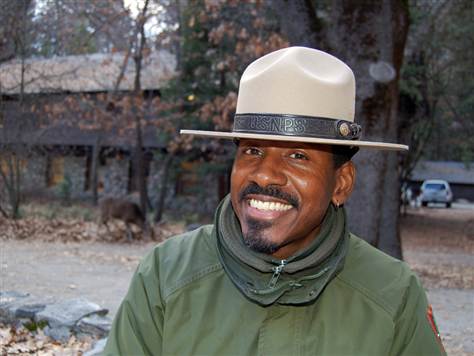
Park visitors = park supporters
For Shelton Johnson, (pictured), a park ranger in Yosemite who grew up in inner-city Detroit, one such story encapsulates the entire issue. As Johnson notes, between 1899 and 1904, so-called Buffalo Soldiers — members of two African-American regiments of the U.S. Army, served as some of the park’s first rangers
“This puts African-Americans at the very beginning of national park history, yet African-Americans only constitute 1 percent of visitors to the park,” said Johnson. “If you don’t know you have cultural roots in the parks, then you’re not going to feel a sense of ownership in them.”
In fact, given the ongoing shift in the nation’s demographics, the true significance of that ownership has less to do with the parks’ past than with their future. Equal opportunity is not just a good thing; it’s also the key to the parks’ continued survival.
“What is the Park Service going to do in 2050 if the potential stewards (such as legislators and the people who vote them into office) have no sense of ownership or connection to the national parks?” asked Johnson.
The good news is that efforts to expand involvement, and hence ownership, are underway, both within and outside the National Park Service.
In California, the Park Service has partnered with the Yosemite Institute on WildLink, a program that introduces high-school kids from Oakland, Stockton and other cities to the outdoors through five-day wilderness trips.
In Colorado, Hispanic families in the Denver are getting their first taste of camping through the Camp Moreno Project in Rocky Mountain National Park. The project is named for longtime local outdoor-recreation advocate Roberto Lopez Moreno, who got his own introduction 50 years ago when his parents decided to go camping in Yosemite (after seeing an outdoorsy Lucille Ball-Desi Arnaz movie).
What’s missing, say observers, is a national program that will expand such efforts to a larger audience, the audience that will eventually determine the funding, and hence the fate, of the parks themselves.
“The message is that you’re not going to be the first and you’re not going to be the last,” said Gwaltney. “Every time we do these things, it creates a larger base of people for whom this is normal.”
By Rob Lovitt
Source: MSNBC
Or, as Peterman put it, “Even if the entire white population was bent on environmental protection, it won’t work if the other half of the population is not involved.”
