
Life
France Owes Haiti $33.5 Billion: A Case for Restitution
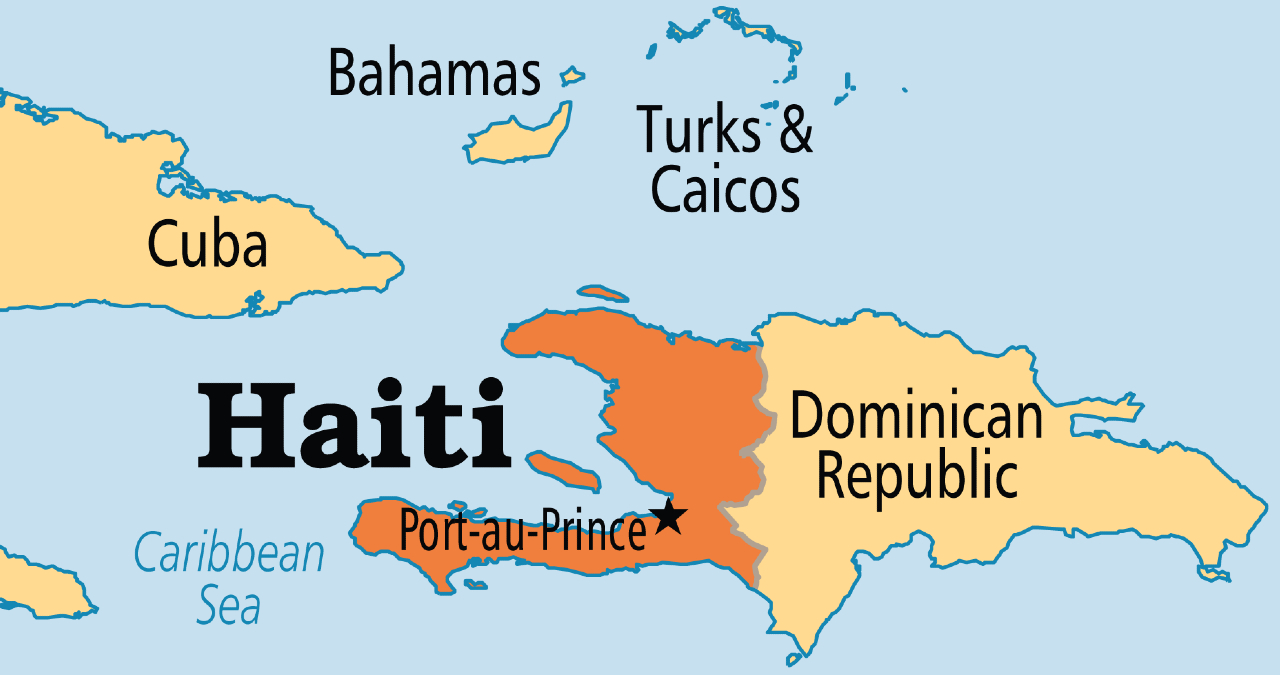
In 1825, France imposed a crippling indemnity on Haiti to compensate former slave owners for lost “property” following Haiti’s independence. The Haitian state, still recovering from centuries of colonial exploitation, struggled under this debt until the 1950s.
The payments, which funded France’s Caisse des Dépôts, were enforced by successive French regimes – monarchies, empires, and republics alike.
This historical injustice is undisputed. Based on Haiti’s current national income and accounting for debt reductions, France effectively owes Haiti at least €30 billion (US$33.5 billion). This sum is less than 1 percent of France’s public debt and just 0.2 percent of private wealth – financially feasible for a country of France’s means.
Concerns about potential mismanagement of reparations are valid, but manageable. Since 2014, the Caribbean Community (CARICOM) has proposed placing funds in dedicated accounts for essential services like education and healthcare.
A 2023 report by the Centre for Reparation Research at the University of the West Indies and the American Society of International Law – led by Patrick Robinson, former judge at the International Court of Justice – endorses this approach. Its findings have been officially supported by both CARICOM and the African Union.
Historically, Haiti (then Saint-Domingue) was France’s richest colony, sustained by the forced labor of half a million African slaves. After a successful slave revolt beginning in 1791, Haiti declared independence in 1804.
In 1825, France recognized the new republic – but only after demanding a payment of 125 million gold francs, nearly 300 percent of Haiti’s annual income, financed through high-interest French bank loans. This debt devastated Haiti’s economy for generations.
To contextualize the reparations, applying the same economic proportion today yields the US$33.5 billion figure. If adjusted using average capital returns, the owed sum would be exponentially higher.
The Robinson report estimates France’s broader post-slavery reparations in the trillions, with global reparations exceeding $100 trillion – factoring in unpaid wages and the suffering of enslaved people.
While not all historical injustices can be redressed with financial payments alone, Haiti’s case is unique in involving formal, documented inter-state transactions. Its clarity makes it a compelling candidate for direct restitution.
Ultimately, discussions about reparations must be part of a broader effort to reform global economic systems and confront 21st-century challenges. Ignoring these issues risks deepening global divides and isolating the West from the rest of the world.
Source: Le Monde
