
Business
US debt will hurt diaspora remittances to Africa: Case in point, Kenya
Shortfall
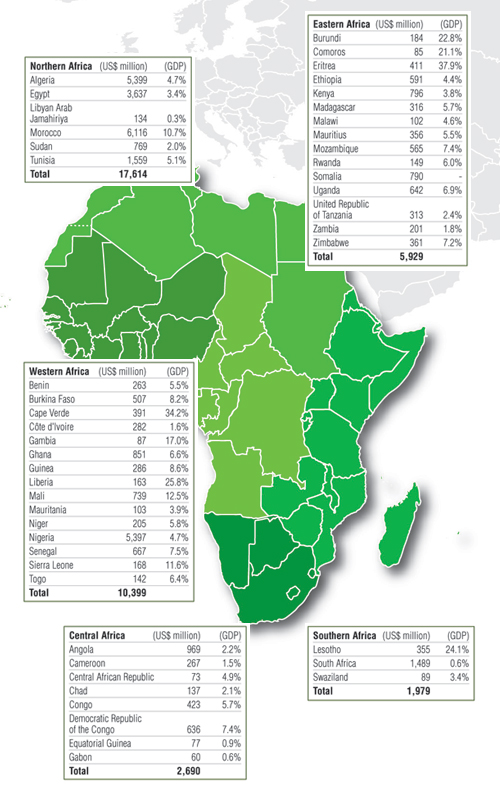
Remittances from the Diaspora and especially the US represent a significant share of our gross domestic product (GDP). As a country suffering from the effects of high oil and commodity prices, a shortfall in remittances would add another front that would put an added strain on our wallets and purses.
Third, it would devalue the dollar, the number one reserve currency of the world. The value of the dollar has already started to go down and is likely to sink rapidly should there be default or even downgrade of US debt. A devalued dollar will hit the little export markets across the world.
A steep drop in the dollar would also decrease trade, decrease foreign investment, and slow output growth. Although we don’t export much to the US, American demand slumps means exporters to the US will be unable to meet their debt service commitments, particularly to financial institutions.
The problem is, there is nowhere to run. Focusing on everything that’s wrong with the US makes one forget how bad indeed things are everywhere else.
The US government is heavily in debt, the people are heavily in debt, the financial sector is still picking itself up after the recent crisis, manufacturing jobs are moving to China and other overseas markets and the dollar hegemony is more vulnerable than ever with the Euro recently pretending to be an alternative reserve currency.
Despite all this, the US dollar and the treasuries stand so well mainly due to their relative not absolute appeal. Sure, there are lots of things wrong with the US – but what other place does anyone trust more with their assets? Europe? China? where? This week will be a crucial one for global markets as the US battles to save its public finances. The universal hope is that some solution is found before Aug 2.
By Mohamed Wehliye – the vice president, financial risk management, Riyad Bank, Saudi Arabia.
Source: Business Daily
