
Business
Nigeria’s business scorecard
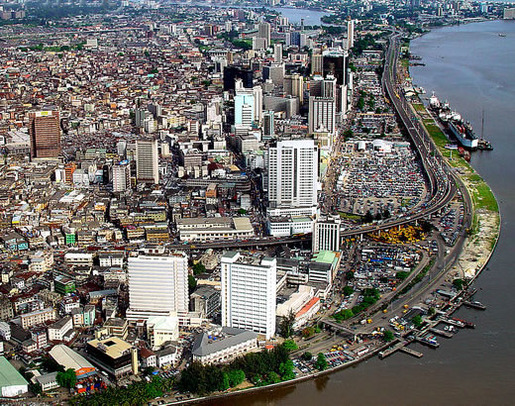
Nigeria now has the largest economy in Africa, the government announced on 6 April. With a gross domestic product of $500.9 billion, Nigeria should attract more international investment, say officials in Abuja. This has raised debate about what the statistics mean and the performance of President Goodluck Jonathan’s team since he was elected in April 2011.
After leading an election campaign on promises to transform Nigeria’s economy, President Jonathan has often found himself a soft target for criticism. Local and international businesspeople and investors can often be heard quietly cursing dysfunctional infrastructure and an obstructive bureaucracy.
But they are just as vocal in their endorsement of the opportunities that Nigeria has to offer, and Jonathan’s supporters point to unprecedented gains. In 2013, Jonathan oversaw the privatization of Nigeria’s dysfunctional state power company. This may yet be his enduring legacy.
Electricity provision is by far the most serious obstacle to growth in Nigeria. With 10 new gas-fired power stations up for sale, Nigeria perhaps stands its best chance for decades of ending the chronic power shortages that have weakened the manufacturing base and left tens of millions of people in the dark.
Africa’s giant has proven reserves of 180 trillion cubic feet of natural gas, but it flares more gas than any other country bar Russia. Government officials said in September 2013 that flaring is down 20 percent over the past two years. Furthermore, Agricultural reforms have helped clean up the sector, boosting farmers, whose activities make up about 40 percent of gross domestic product. Although it may be some time before they bear full fruit, a fertilizer rollout has proved a success in its pilot phase.
The creation of new fertilizer factories linked to the gas sector will reduce prices. The rice plantation schemes, from companies such as Olam in Nasarawa State, will chip away at Nigeria’s import bill. Economic growth has continued to power ahead at an average of 7 percent and, thanks to an aggressive monetary policy from the central bank, inflation is in single digits for the first time in years.
Finance minister Ngozi Okonjo-Iweala has managed to keep national budgets tight, for now resisting pressure to spend more ahead of 2015 elections. There has also been progress on rebuilding Nigeria’s industrial base, with new car manufacturing schemes and factories opening in the agribusiness and light manufacturing sectors.
