
Business
Nigeria targets $200 billion of inflows with new forex plan
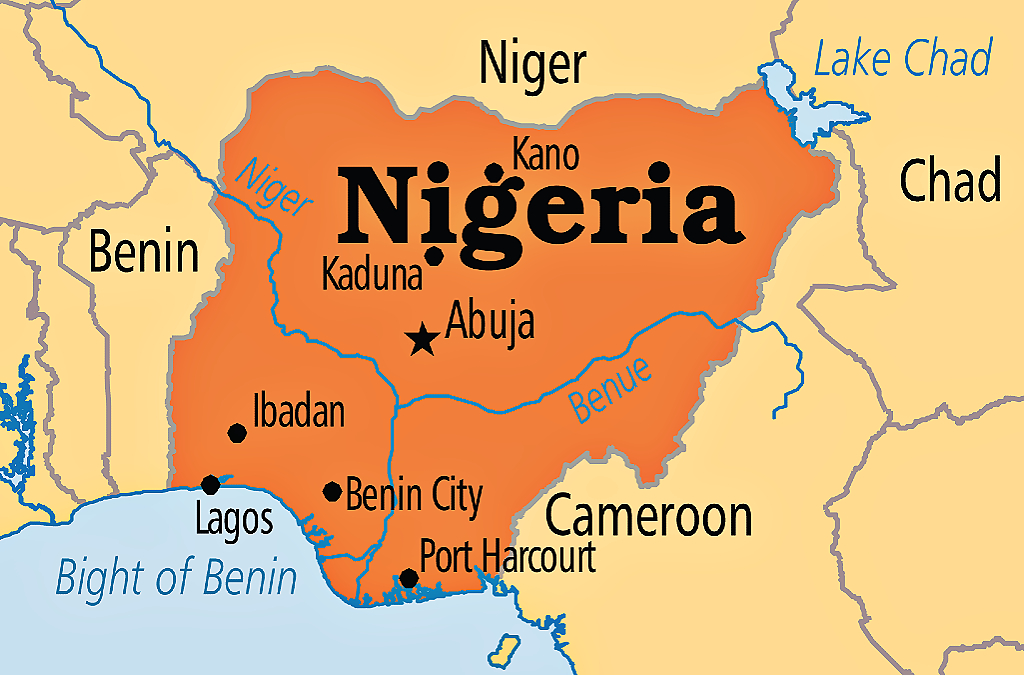
Bloomberg | Nigeria’s central bank has a new plan to lure US$200 billion of inflows to Africa’s biggest economy: make it attractive for exporters to bring home foreign currency.
The Central Bank of Nigeria will stop selling the greenback to local banks and instead ask lenders to source foreign currency on their own. The regulator will offer long-term cheap credit to export-oriented producers and seek to entice exporters to repatriate dollar proceeds and park that with banks.
By the end of the year, “we will tell them, don’t come to the central bank for foreign exchange again,” Governor Godwin Emefiele said, referring to the banks. He spoke to the media after meeting with heads of commercial lenders on Thursday.
Nigeria’s central bank has been struggling to boost dollar supply and has often changed rules. The latest plan will be the biggest change since it stopped selling foreign currency to money changers. The regulator, which has devalued the currency three times since 2020 after a slump in crude oil prices hit inflows, expects the measures to boost foreign-exchange supply in the next 3 to 5 years.
“I am not sure why banks will be more effective at getting exporters to repatriate their proceeds to Nigeria than the central bank,” Yvonne Mhango, Africa economist at Renaissance Capital, said in an emailed response to questions. “Without any assurance that we will see a pickup in repatriation of proceeds if the central bank” stops supplying banks, it could weaken the naira, she said.
The regulator set up an export support facility that will extend credit for up to 10 years – with two years moratorium and 5 percent interest rate – to producers, Emefiele said. The central bank will also extend by a year a COVID-19 interest rate benefit started in 2020 to help manufacturers, he said.
Dollar shortage
The central bank plans to make it attractive for exporters to purchase the local currency and bring their overseas earnings home.
Companies have so far been dissuaded by the 27 percent disparity between the official and parallel market exchange rates of the naira in repatriating foreign currency to Nigeria.
“It is only by boosting productive and earning capacity of this economy that we can truly preserve the long-term value of our currency, as well as the stability of our exchange rate,” Emefiele said.
The official spot rate weakened 0.1 percent to 416.71 naira to the greenback by 4:30 p.m. in Lagos, the nation’s commercial capital.
The central bank accused money changers in July of aggravating a dollar shortage and halted supplies to them, robbing the market of almost US$6 billion a year of supply. In September, it ordered lenders to identify customers buying foreign exchange using fake documents and make their names public in a bid to stifle dollar arbitrage.
