
Business
Nigeria: Buhari administration moves to close loopholes that bred corruption in oil industry
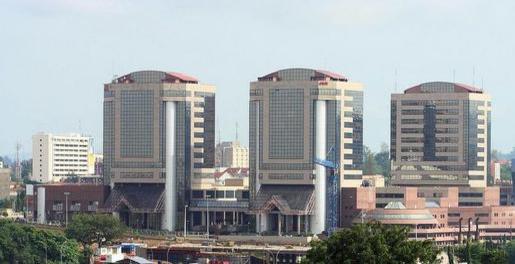
Under the Nigerian constitution, the NNPC is supposed to hand over its revenues to the federal government, which then returns what the firm needs to operate based on a budget approved by parliament. However, the act establishing the state firm allows it to cover costs before remitting funds, in effect enabling it to do what it wants with the cash.
Shortly after taking office in May, President Muhammadu Buhari described state coffers as “virtually empty” despite years of record high oil prices that lasted until mid-2014. Oil sales account for 70 percent of federal government revenues.
The institutional changes in the new draft have been greatly simplified from the 2012 Petroleum Industry Bill that created many new regulators and broke up the oil company into separate downstream (refining and retail), upstream oil and gas companies.
Instead, the NNPC will be split into 2: the Nigeria Petroleum Assets Management Co (NPAM) and a National Oil Company (NOC).
Removing State Obstacles
The NOC will be an “integrated oil and gas company operating as a fully commercial entity”, the document states, and will run like a private company. The onus will be on its board to make profits and raise its own funding. The NOC will keep its revenues, deduct costs directly and pay dividends to the federal government.
In theory, trimming NNPC down into 2 leaner companies could solve a chronic funding problem. Part of Nigeria’s oil output comes from joint ventures with foreign and local companies in which NNPC holds the majority stake. However, the NNPC is always behind on covering its share of costs owing to the slow pace of federal government approvals.
To start off, the NOC will receive about US$5 billion, or at least the 5-year average of the amount of money the NNPC had to put into joint venture operations. In October, the NNPC estimated it owed around US$6 billion to oil companies.
The new NOC will also be partially privatized. At least 30 percent of NOC shares will be divested within 6 years of its incorporation.
The NPAM is expected to manage assets “where the federal government is not obligated to provide any upfront funding”. These include oil licences run under production-sharing agreements in which independent oil companies cover operating costs and pay tax and royalties on output.
