
Business
Mobile banking contributing to rapid growth in Africa
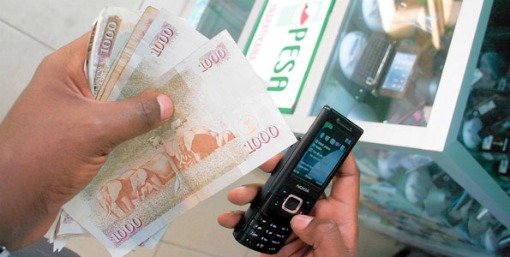
While U.S. and European banks suffer hangovers from the Great Recession and continued shock waves inside the eurozone, banks in Africa have never looked stronger or been more ambitious.
Why is it a continent always portrayed in the media for political instability and foreign aid, is riding a banking boom characterized by aggressive pan-African expansion and swelling balance sheets?
(More: An African idea about to go global)
The surprising fact is Africa’s poor represent a vast reserve of untapped capital waiting to be channeled into consumer and small-businesses loans, and for infrastructure development. By some estimates, almost 95 percent of the nearly 500 million adults in sub-Saharan Africa have no access to bank accounts. If they did, the formal banking system could get its hands on as much as US$59 billion in new deposits.
Now, however, this pool of slumbering wealth has intersected with advances in mobile banking technology that make it possible to use cell phones for routine banking transactions, such as money transfers and deposits, instead of conventional city bank branches. That development –spurred by the rapid diffusion of inexpensive mobile networks in a continent with limited landlines, has sparked a revolution in retail banking from Nigeria to Kenya to Mozambique.
Rapid technological changes are reducing transaction costs, bridging geographical strains and inspiring investment from large financial institutions. At current growth rates, Africa’s financial services sector could make up around 20 percent of the continent’s collective gross domestic product (GDP) within the next decade, compared to 10 percent today.”
Add to this mix that fact that many of the continent’s sub-Saharan economies are experiencing a revival driven in part by rising commodity prices, with annual growth rates of 6 percent or more. The result is that African banks with their eye to the future are expanding outside their borders like never before.
