
Business
Kenya entrepreneur to generate electricity from problem weed, Prosopis juliflora
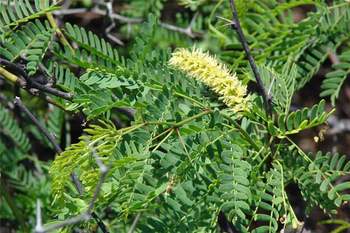
A weed introduced to Kenya to combat desertification that eventually became a problem invading farmland and damaging farmers’ livelihoods is about to provide the necessary raw material to generate electricity.
Prosopis juliflora, known as the ‘devil tree’ (or mathenge, as it is commonly referred to in Kenya), was introduced from Latin America to semi-arid districts of Kenya by non-governmental organizations in the 1980s. It was selected because of its ability to survive in dry environments – its expansive root system helps bind soil and prevent erosion.
A multimillion dollar power production venture that will use the Prosopis juliflora has secured financing from a Kenyan bank.
Cummins Cogeneration Kenya Ltd., is finalizing a deal that will enable it to secure 15 acres of land in Marigat area of Baringo County in Kenya’s Rift Valley. The area will house the generating plant and most of its operations.
It is also seeking a power purchasing agreement with Kenya Power, the country’s electricity distributer, besides conducting field trials on the suitability of different harvesting methods for the weed.
The company intends to invest US$22 million in the venture and is upbeat that since the invasive species is widespread in East Africa, it can support long-term power production not just in the Rift Valley and Kenya’s coast, but also in South Sudan, where it plans to set up a similar venture.
The company’s CEO, Yash Krishna, said that he is “100 percent certain” that the amounts of the weed in the Rift Vally and other arid and semi-arid lands of Kenya would sustain an annual production of 12MW of power for 20 years.
