
Life
Jamaica: Finally Bible translated into Patois
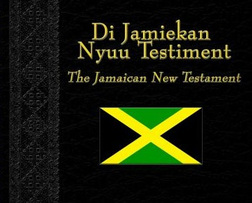
The Rev. Courtney Stewart, general secretary of the regional Bible society, said there is a widespread conviction that Scripture is best understood in a person’s spoken tongue.
He predicts many Jamaicans will be inspired to hear and read the translation in which the shortest verse – “Jesus wept,” following the death of Christ’s friend Lazarus in the Gospel of John – becomes “Jiizas baal.”
In the depiction of the angel Gabriel’s visit to the Virgin Mary that foretold the birth of Jesus, the New King James Bible’s version of Luke reads, “And having come in, the angel said to her, ‘Rejoice, highly favored one, the Lord is with you; blessed are you among women.'”
The patois version says: “Di ienjel go tu Mieri an se tu ar se, ‘Mieri, mi av nyuuz we a go mek yu wel api. Gad riili riili bles yu an im a waak wid yu aal di taim.'”
“It’s extremely powerful for people to hear Scripture in their own language, the language they speak and think in. It goes straight to their hearts and people say they are able to visualize it in a way they’ve never experienced before,” Stewart said.
On the other side, some religious leaders, Anglophiles and other critics characterize Jamaican patois as a rowdy, ever-changing vernacular or “lazy English” that is fine for the playground or market but entirely inappropriate in a place of worship.
“Patois is not potent enough to be able to carry the meaning of the Gospel effectively. It just does not have the capacity to properly reflect the word of God,” said Bishop Alvin Bailey, who leads the evangelical Holiness Christian Church in the southern city of Portmore.
