
Business
How A Billion-Dollar Map Will Revolutionize the African Mining Industry
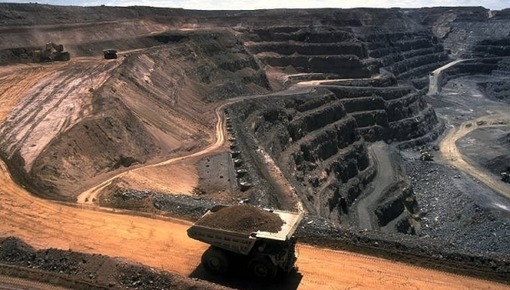
What lies Beneath Africa’s Soil?
In addition to helping countries understand what lies beneath their soil, the information collected during the project could potentially have a wide variety of other uses. De Sa said he believes the images collected could have implications for water management, land use planning, infrastructure and biodiversity planning.
Despite the potential of the project, there are many questions. The first is about funding. Although the map’s price tag is $1 billion, only 20 percent of the funding is currently accounted for. World Bank is committing $200 million to the project while the remaining $800 million is expected to come from African governments, donors and mining corporations. Assuming the original price tag is correct, this is a very large sum to make up before the project can get on its feet.
Second is the question of a continent weary of Western intervention, both in surveillance and with its mineral resources. For many years African thought leaders have decried the World Bank as an agent of post-imperialist Western control. This makes many across the continent question the bank’s true motives.
Michael Mawa is coordinator of the Strategic Leadership Forum in Kampala, Uganda. He likens a map of Africa’s mining resources to the U.S. National Security Agency’s Prism surveillance program. Writing in NewVision, Mawa said, “…(based on) the extent to which the U.S. was prepared to…spy on allies, it is frightening to imagine what they…could do with such strategic information about the resource map of the world’s most richly endowed continent in pursuit of their interests…”
Wile there are significant hurdles left to cross, World Bank says the future is bright for the Billion Dollar Map. “While we are still raising funds to make the Billion Dollar Map a reality, the overwhelming positive response from government and companies at the recent Mining Indaba assures us that there is great demand for this endeavor,” World Bank said.
Paul Collier, a scholar and expert on African economies, mentioned the Billion Dollar Map in his keynote speech at Indaba as an endeavor he has long supported with potential for catalyzing investment in the region. The support of Collier, companies and governments should go a long way toward helping find funding and calm the fears of a continent weary of western intervention. Detailed satellite imagery and mapping could help African countries know the value of what lies beneath the soil in addition to shedding light on other public and infrastructural issues.
Copyright AFK Insider 2014
