
News
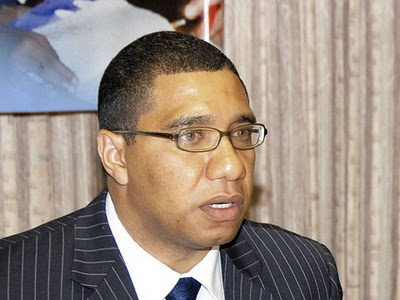
Holness calls for end of ties between gang leaders and politicians
With the gangs firmly entrenched, most poor people were forced to affiliate themselves with a party and an affiliated gang since they relied on patronage for jobs, houses and land.
Such pork barrel politics siphoned taxpayers’ money into constituency development funds in a loyal don’s turf.
“Politics in Jamaica for far too long has been about distribution — who gets what, how, where and when,” Holness, 39, said Sunday during a Labor party conference.
On a recent day in Kingston’s Waterhouse area, an opposition slum in Holness’ divided urban constituency, 29-year-old Mark Harrison and other young men sat on cinderblocks along a pitted road and expressed pessimism about the chance for any major changes in the slums.
“Politicians won’t ever do nothing for us, no matter what they say,” said Harrison, an ad hoc civic leader for the poor area.
Regardless of his distrust of what he termed “politricks,” he and a 23-year-old man nicknamed “Zum” were still decked out in loud orange shirts promoting a candidate for the People’s National Party. They had attended a party rally that morning.
During his political career, Golding also spoke of ending garrison politics, but he stonewalled for nine months when the U.S. asked for Coke’s extradition, including hiring a Washington lobbying firm to try and stop the request. When Golding finally authorized the extradition in May 2010, the raids launched to capture Coke sparked violence that killed at least 76 people. Golding resigned last month.
Political analysts note that the capture and extradition of Coke, long known as the island’s most powerful slum don, was initiated not because of internal pressures but only because the U.S. demanded it.
