
News
Holness calls for end of ties between gang leaders and politicians
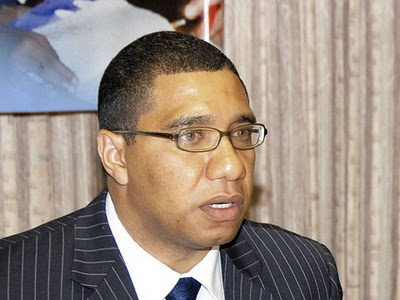
“The opposition leader says it’s just a name, as if garrisons don’t exist,” said Horace Levy, who works to reduce community violence through the nonpartisan Peace Management Initiative. “This is not true, they do exist. It’s not as bad as it was 20 years ago, but they are still there.”
Herbert Gayle, an anthropologist of social violence at Jamaica’s University of the West Indies, said Holness’ calls to finally end garrison politics seems like “a lot of salesmanship” ahead of the elections.
Vote-buying by the political parties is now a bigger problem than blatant intimidation by paid-off enforcers, Gayle said.
“The garrison relationships are becoming more sophisticated, more subtle,” he said.
Still, the divisions remain tribal and occasionally erupt in bloodshed around election time.
In the 1970s, Jamaica’s two main political parties enlisted gangs to intimidate voters, including arming them to enforce partisan loyalty. In the lead-up to the 1980 elections, more than 800 people were killed in political clashes.
Successive debt-wracked governments of both parties gradually ceded power in the slums to gang leaders who were the only real providers of social welfare. Slum powerbrokers called “dons” received government contracts for public works projects that included building clinics and schools.
Meanwhile, the gangs fought bloody turf wars over drugs and extortion rings that have provoked a cycle of seemingly endless revenge killings, giving Jamaica a high homicide rate.
