
Life
Haiti: Debate rages as to source of cholera
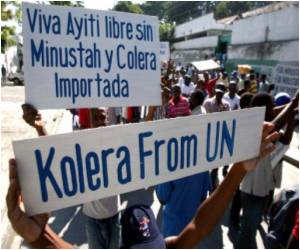
It seemed inevitable that the disease would circulate so easily. Cholera, whose symptoms consist of rapid dehydration and vomiting, is spread through water or food contaminated by the bacterium, easily so in Haiti because the country lacks a proper sewage and sanitation system – exacerbated by the earthquake.
The scene turned ghastly. People fell dead in the streets. Government employees scooped up bodies and buried them. Aid workers stretched thin by the earthquake set up makeshift rehydration units, handed out soap and clean water and tried to save lives.
“If you have cholera, you and death are so close together,” recalled 59-year-old Pierre Antoine, who was holed up at a treatment center with the illness for two weeks. “I don’t wish this upon anyone.”
The report’s findings have met plenty of scientific pushback. Many scientists say the second cholera strain cited by the report was unlikely to have caused the outbreak because it’s nontoxic, naturally inhabits bodies of water around the world and is unlikely to trigger epidemics. Unlike the strain that sickened so many people in Haiti, this one is believed to cause only mild diarrhea and isn’t life-threatening.
Epidemiologist Renaud Piarroux pointed out how Hurricane Tomas came two weeks after the outbreak began and that a decade-long review of temperatures revealed no evidence of unusually high temperatures that summer.
“The perfect storm is a perfect lie,” said Piarroux, who’s writing a book on the source of cholera in Haiti. “This is not a scoop. It means nothing.”
Drawing on 50 years of data pulled from the National Oceanic and Atmospheric Administration, the report maintains that 2010 was a warm year with “anomalously high air temperatures” in the months before the outbreak. This, in combination to the destruction of water and sanitation access, as well as widespread flooding caused by the hurricane, created conditions that would favor the outbreak.
