
Business
Ghana Regulators Plan Market Makers to Boost Bonds With Live Prices
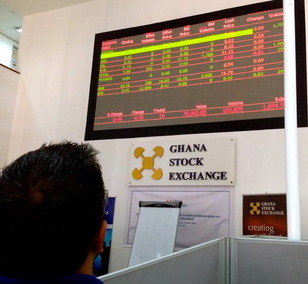
The depository, the stock exchange, and the securities commission will educate investors this year on bond trading, Tetteh said. The campaign will also see private bond issuers asked to keep ownership records in the depository, he said.
Yields Rise
Government bonds with two-year terms and higher must be listed on the stock exchange, Tetteh said. Yields on seven-year notes, currently the longest-tenure cedi debt, rose 50 basis points, or 0.5 percentage point, to 18 percent at the last auction on Nov. 13. They were unchanged at 19 percent yesterday, according to data from Standard Chartered Plc.
“We will use annual general meetings of companies to talk to people about investing in bonds,” he said.He also added that the groups will also “organize fora in parts of the country to whet interest in the bonds market.”
Investors may be able to own shares in the depository, which had 556,837 accounts for bonds at the end of last year and 76,348 for stocks, in the “medium term,” the CEO said. The Bank of Ghana owns 82 percent of the depository, while the stock exchange holds the remainder.
Ghana’s stock exchange has sub-Saharan Africa’s best-performing benchmark index this year, with a 5.1 percent increase. While volumes picked up since the 2009 move to live trading and the gauge’s capital rose to 62 billion cedis ($25 billion) as of yesterday from about 21 billion cedis in 2010, investors need to get used to the idea of trading both stocks and bonds for profit, Tetteh mentioned. The composite measure rose a 13th day, adding 0.5 percent to 2,253.57 by 12:22 p.m. in Accra, the highest on record.
“That idea of making money on bonds, and even equity hasn’t really gone down with Ghanaian investors,” he added. “What we need are people who go into the securities market to make money, somebody who buys in the morning and at two o’clock he wants to sell because the market has moved.”
Source: Bloomberg Businessweek
