
Business
Dangote refinery: A game-changer for Nigeria?
By Christina Katsouris
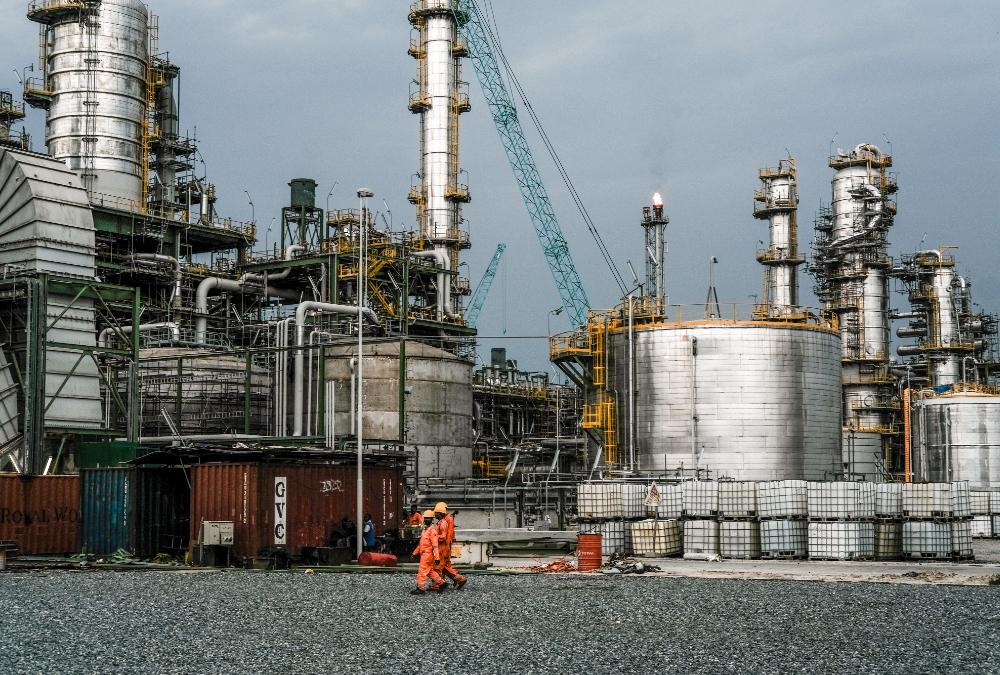
When Aliko Dangote, an industrialist from the northern state of Kano, first announced the project in 2013, analysts were skeptical. Dozens of proposed refinery schemes had sunk without a trace in previous years and not a single refinery had been built since 1988. The original scheme envisaged capacity of up to 400,000 barrels per day and a price tag of US$9 billion.
A functioning refinery would threaten the vast patronage network that had operated for decades. Vested interests included Nigerian National Petroleum Corp. (now NNPC Ltd.), whose three refineries functioned at a fraction of their 445,000 barrels per day total capacity, and international traders profiting from lifting Nigeria’s crude and supplying products back while locking in hefty margins. The then-gasoline subsidy supported a vast business in fraud and smuggling to neighboring countries.
But Dangote differed from the other refinery sponsors. He had a track record of investing in his plants, and his companies dominated production of staple products from cement to flour. He had a vast set of assets to secure against loans, and a reputation for always making money. Former President Muhammadu Buhari was a statist, but his government was happy to support the private project of a fellow northerner. Dangote made it clear early on that he did not want to partner with NNPC, perennially in arrears to creditors and long regarded as an unreliable partner.
