
Business
Bank of Ghana raises interest rates in bid to stabilze the Cedi
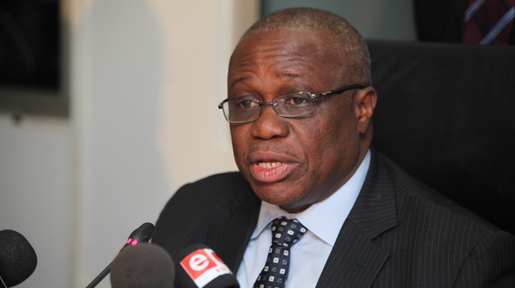
Ghana’s central bank has increased interest rates by a percentage point to 25 percent to arrest the slide of the cedi against major currencies.
Bank of Ghana governor Kofi Wampah said the decision to review the interest rates was made at a meeting on monetary policy late last week.
“Inflation pressures have persisted due to uncertainties in the foreign exchange market, with implications for petroleum pricing and other tradable goods and services,” Wampah told journalists in the capital, Accra.
“The decision of the committee to increase the policy rate is consistent with the bank’s forecasts, which requires further tightening in order to bring inflation back within the target band by the end of 2016,” Wampah said. “The committee will continue to monitor developments and take appropriate action if necessary.”
Ghana’s economy continues to suffer from low commodity prices for mainly gold and oil and power shortages. The country’s foreign gross reserves fell from US$1.1 billion to US$3.2 billion in June, Wampah said.
According to Wampah, Ghana has had to slash its growth forecast for 2015 to 3.5 percent from 3.9 percent in July. For the first seven months of 2015, export receipts slumped to US$6.3 billion from US$8.1 billion during the same period last year.
Imports also dropped to US$7.8 billion, from US$8.4 billion in the corresponding period in 2014 leading to a worsening trade deficit. However, the Bank of Ghana said the current account deficit improved as a result of favorable movements in the services and income accounts.
Gross foreign assets as at July ending 2015 stood at US$4.4 billion, the Bank of Ghana said, enough to cover 2.8 months of imports of goods and services as compared with US$5.5 billion in December 2014, which covered over 3 months.
Ghana’s inflation rose from 16.9 percent in May before quickening to 17.9 percent in July, mainly reflecting the upward adjustments in petroleum and transport prices. But some moderation occurred in August with inflation declining to 17.3 percent, which remained higher than the June figure of 17.1 percent.
“Core inflation, excluding energy and utilities, however, continued to rise, suggesting persistent underlying inflation pressures,” the Bank of Ghana said. The current forecasts suggest that attainment of the medium term inflation target by the end of 2016 would require further tightening of the monetary policy.
