
Business
Angola’s financial institutions experience growth while profits feel the pinch
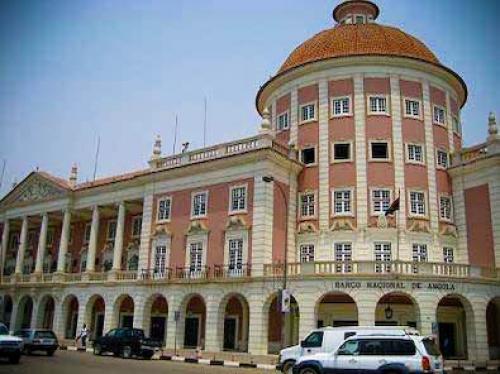
New oil legislation will give Angola’s currency and banks a boost, but for some, non-performing loans are spreading at an alarming rate. Banks in Angola are growing and diversifying fast, pulled in the slipstream behind the oil and gas economy, although their profits have been hit by lower interest rates and higher levels of bad debt.
In 1999, Angola had just six banks; now London-listed Standard Chartered hopes to become the 24th bank with a full operating licence. Standard Chartered opened a representative office in Luanda in February 2013 in a joint venture with state-owned insurance provider, Empresa Nacional de Seguros de Angola (ENSA).
Now it offers clients offshore services, trade financing, syndicated debt and foreign exchange services. A full licence will allow Standard Chartered to open a branch network. Standard Chartered Angola chief executive Miguel Bartolomeu Miguel says the initial targets are big corporate clients: “Our primary focus in Angola will be towards oil and gas companies,” he tells The Africa Report.
“After that, we’ll focus on multinationals and in the longer term we aim for large Angolan entities.” Standard Chartered wants to capitalize on its extensive networks in Asia to facilitate trade links with Angola. “There is no other bank in Angola right now that can match our capabilities or experience,” says Miguel. Angola is already China’s largest African trading partner.
Kwanza in demand
Head of capital markets at Angola’s state oil company Sonangol until 2009, when he joined Standard Chartered, Miguel says: “We believe we are coming in at a very good time. Under new Angolan legislation oil companies are required to pay for their operations in local currency through local banks. This presents us with a big window of opportunity.”
The new foreign exchange law first came into effect in July 2013 as part of a move by the central bank, the Banco Nacional de Angola (BNA), to strengthen the kwanza and reduce the economy’s dependence on United States (US) dollars.
Despite fears that the new system would delay payments and hit the financing of oil production, IMF representative in Angola Nick Staines says: “The initial view is positive and that things are working well. There was anxiety that there would be a shortage of US dollars.”
