
Business
Africa textile and garment manufacturing threatened As End Of AGOA Lifeline Nears
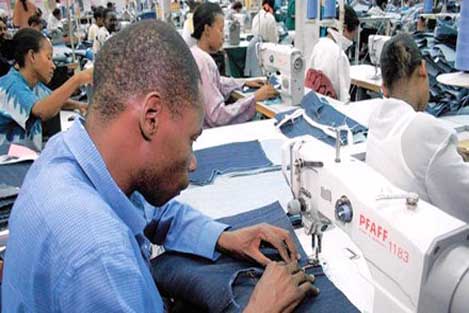
The Africa Growth and Opportunity Act (AGOA), which allows certain African exports to enter the US quota and duty free, has been a great boon to textile producers in some of the poorest African countries. But the textile preferences have come under increasing attacks from other exporters. Congress has just extended the provisions for another three years. What happens to African textile exports after that date?
Battling a rearguard action against a relentless flood of cheap Chinese imports, the textile and garment manufacturing industry in Africa has received a US$855 million industry-saving shot in the arm with a three-year extension of the vital fabric aspect in the US’s Africa Growth and Opportunity Act (AGOA). For a decade or more, Africa’s textile spinners, weavers and garment makers have weathered the worst effects of China’s clothing invasion by marketing their produce tariff, quota and duty free to the vast and lucrative American markets.
“A massive veil of uncertainty was lifted when the US Congress agreed to pass legislation that extends to September 2015 key textiles provisions of AGOA,” says Eckart Naumann, associate at the Southern African Trade Law Centre (TRALAC). The extension means that African textile-associated industries will continue to enjoy preferential entry into the US markets as home sales of textiles and garments dwindle in the face of Chinese competitive imports. The extension in Congress was touch and go in a House fraught with pre-election partisan politics.
The extension of the AGOA concessions to September 2015 has been widely welcomed in Africa by the private sector, civil society, various heads of state and trade ministers, calling it “nothing short of a lifeline” for the garment manufacturing industry in many parts of Africa.
The value of exports to the US under AGOA has grown to nearly US$86 billion a year, of which US$855 million worth was in garment exports in 2011. In the process over 300,000, mainly female, jobs were created in the African apparel manufacturing sector…
