
News
What is at stake for investors in Angola’s elections?
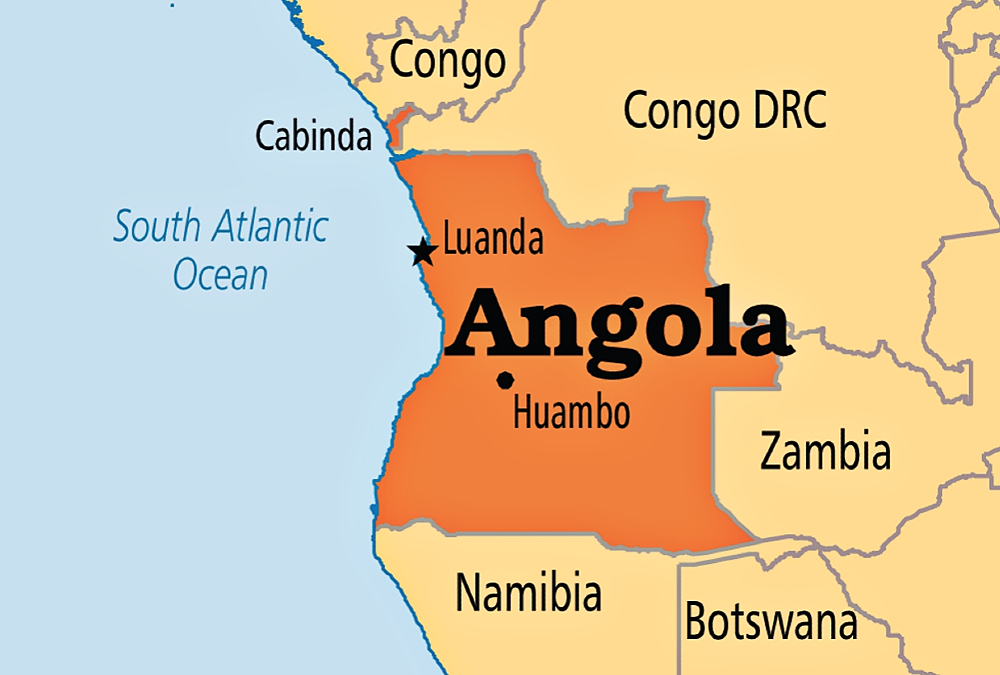
Reuters | Angolan voters will choose next Wednesday, in what looks like the closest ever election in Africa’s second-biggest oil producer.
Who are the main players?
President João Lourenço of the People’s Movement for the Liberation of Angola (MPLA) party, who has made reforming the corruption-plagued southern African country his priority since taking office in 2017, faces Adalberto Costa Júnior of the rebel-turned-opposition group, the National Union for the Total Independence of Angola (UNITA).
A May Afrobarometer poll gave the ruling MPLA, a lead of 7 percent over UNITA. Analysts expect it to win despite growing support for the opposition.
What is at stake for investors?
In Africa, only Nigeria produces more oil than Angola, according to OPEC, while Kimberley Process data ranks it as the world’s seventh-largest rough diamond producer.
One of Africa’s largest economies, Angola has been dominated by state-owned companies, a legacy of its socialist past. The government has embarked on ambitious privatization programmes but progress has been slow. Restructuring state oil company Sonangol and diamond miner Endiama ahead of partial IPOs is expected by authorities to take another 12 to 18 months.
Lourenço has also opened anti-corruption probes against the previous MPLA administration.
After 5 years of recession, Angola’s gross domestic product increased 0.7 percent in 2021, according to the World Bank, and the finance ministry expects growth of 2.7 percent for this year. Inflation is falling but remains above 20 percent.
The return to growth linked to higher oil prices has, not benefited most Angolans, according to the Angola Multidimensional Poverty Index. Such desperation could easily spill over into violence during the elections, said Risk Advisory Group’s Laura Seara Cabeça.
What are the difference between MPLA and UNITA’s policies?
Not much.
Both have presented similar proposals aimed at diversifying the economy and tax base away from oil and encouraging investment in sectors such as renewable energy, fisheries, and tourism, according to Fernandes Wanda, an economist at University Agostinho Neto in Luanda.
The MPLA, certainly, has yet to show the political will to end Angola’s dependency on oil, said Jon Schubert, a political anthropologist at the University of Basel.
UNITA has promised to end the “concentration of the economy in a single political and social group” – a reference to Angola being one of the world’s most stratified societies, whose elite comprises only those with ruling party connections.
But the party has not criticized the government’s broader macroeconomic reforms because it would most likely pursue the same policies, according to South Africa-based independent analyst Marisa Lourenço, not a relative of the president.
Whoever wins still faces the whims of the price of oil, which still accounts for more than half of Angola’s government revenues and 94 percent of exports, according to the International Monetary Fund, which says any oil price fall could quickly trigger debt problems in the country.
