
Business
West Africa’s cocoa future threatened
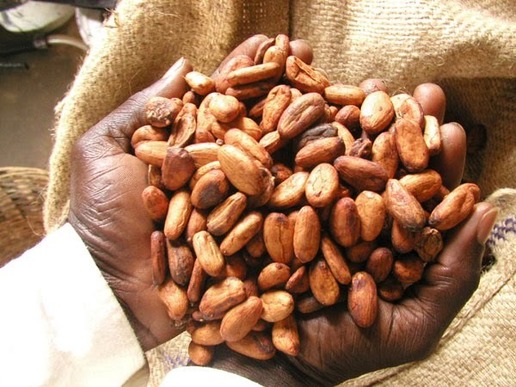
Prisoners of poverty
In Ivory Coast, where artisanal mining has historically been concentrated in the arid north, diggers are moving into cocoa-growing areas around Issia, Duekoue, Zoukougbeu, Bouafle and Daloa; the latter producing a quarter of national cocoa output. In Ghana, Africa’s second-largest gold producer, Wassa-Akropong in the west and the central region of Dunkwa have been prime targets for miners.
Assin Fosu and adjoining districts have also been hit hard. “It’s not just ravaging cocoa crops in those areas but it makes major cocoa districts in the Eastern and Ashanti regions very vulnerable,” Emmanuel Opoku, deputy director of research at Ghana’s cocoa marketing board, Cocobod, told Reuters.
“The future of our crop is threatened if this continues.” He said he didn’t have figures to quantify the threat, but the regions at risk are in Ghana’s top cocoa-producing belt. Despite its global dominance, the long-term prospects for West Africa’s cocoa sector are surprisingly bleak.
Plantations are ageing, and so are cocoa farmers. The average age of growers in Ivory Coast is around 50, just four years shy of the average life expectancy of an Ivorian man. While the country harvested a record crop of 1.5 million tonnes of cocoa two seasons ago, the government is now expelling farmers from plantations illegally established during a decade-long political crisis that ended in 2011.
Ghana, meanwhile, is phasing out subsidies for fertilizer and pesticide treatments, putting an end to initiatives that many credit for a rapid rise in production over the past decade. But the most serious threat to the sector’s future is poverty. The average cocoa grower in Ivory Coast farms three hectares, yielding 450 kilograms per hectare.
At the government-regulated farm gate price that yields just $2,000 per year. After laborers are paid and fertilizer purchased, he will be lucky to keep a third of that. In Ghana, where the government set a farm price on parity with Ivory Coast in October, growers’ earnings are being eroded by inflation and the country’s plunging cedi currency.
At the bottom of the cocoa hierarchy, laborers – usually young men with no land of their own – typically earn just $500 per season. With cocoa promising a life of back-breaking toil and grinding rural poverty, many are looking for a way out.
