
Business
Trade Dynamics in East Africa: A shifting landscape
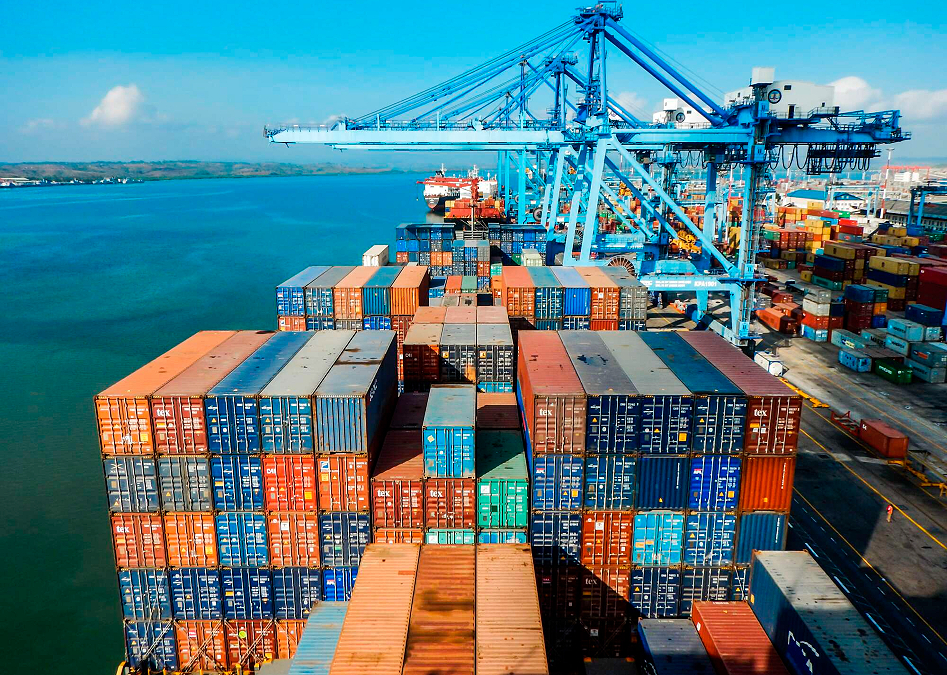
The East African Community (EAC) is witnessing a notable transformation in its trading patterns, marked by a growing emphasis on intra-African trade and a corresponding decline in trade with traditional partners in Europe, Asia, and elsewhere. This trend, indicative of the continent’s aspirations for enhanced commerce and improved livelihoods, reflects a significant stride towards the envisioned intra-Africa trade expansion.
According to recent data from the EAC Secretariat, member states of the EAC have experienced a commendable increase in trade within Africa, reaching US$4.3 billion in the fourth quarter of 2023, marking a 14 percent surge compared to the same period in 2022. Likewise, cross-border trade within the region witnessed a 12 percent rise, climbing from US$2.6 billion to US$2.9 billion in the fourth quarter of last year, underscoring a palpable uptick in regional trade activities.
Notably, intra-EAC trade surged by 20 percent during the third quarter, reaching US$3.2 billion, marking the highest level recorded within the region in over two years. Simultaneously, trade with other African countries surpassed the US$5 billion mark for the first time in 2 years.
However, amidst this buoyancy in intra-African trade, the region’s trade with the European Union (EU) saw a notable decline. Traditionally accounting for approximately 10 percent of the EAC’s total trade, EU countries recorded a 14 percent drop in trade volume, from US$2.04 billion in the final quarter of 2022 to US$1.7 billion in the corresponding period of 2023.
This trend underscores an evolving trade integration landscape on the continent, occurring concurrently with intensified efforts towards the implementation of the African Continental Free Trade Area (AfCFTA), projected to uplift approximately 65 million Africans from extreme poverty.
Several prominent EAC trading partners experienced significant declines in their engagements with the region. Notably, Belgium witnessed a substantial 45 percent decrease in trade volume, dropping to US$188 million in the fourth quarter of 2023 from US$263 million the previous year. Similarly, the United States, ranked as the tenth leading trade partner, experienced a 19 percent decline in trade, dwindling from US$200 million to US$161 million.
Furthermore, countries such as Germany, Italy, and Switzerland observed declines of 12 percent, 2 percent, and 23 percent respectively in their trade with the region, consequently leading to Germany’s exclusion from the list of the top 10 trade partners.
A similar pattern emerged in the EAC’s trade relations with key Asian economies. Despite an uptick in imports from China, exports to the Asian giant decreased by 12 percent, indicating a diversification of regional markets. Likewise, exports to Malaysia, the fourth-largest market for East African goods, experienced a 17 percent decline, despite a 47 percent increase in imports from the country.
Amidst the downturn in trade with traditional partners, some African countries have emerged as pivotal trade partners for the EAC. Trade with the Economic Community of West African States (ECOWAS) tripled to US$199.6 million in the final quarter of 2023, compared to US$61 million in 2022. Similarly, trade with the Southern African Development Community (SADC) surged by 40 percent, reaching US$2.7 billion, thereby amplifying its share in the total EAC trade to 12.8 percent.
South Africa emerged as the leading trade partner for EAC countries on the continent, with trade between them increasing by 26 percent to US$838 million.
John Bosco Kalisa, CEO of the East African Business Council, attributes the growth in intra-African trade to improving political will to eliminate trade barriers within the region and foster regional trade integration. He emphasizes concerted efforts by regional governments to promote regional value chains and eliminate intra-regional trade barriers, fostering a conducive environment for trade within the continent.
Kalisa underscores the importance of building regional production capabilities and promoting initiatives such as “Buy East Africa, Build East Africa” to enhance regional trade resilience in the face of global shocks.
Historically, businesses in the region have favored preferential trade agreements (PTAs) with countries outside the continent over free trade agreements (FTAs) within their regional economic communities. However, recent developments indicate a paradigm shift towards prioritizing intra-African trade, reflecting a growing realization of the potential benefits and opportunities offered by regional trade integration initiatives.
