
Business
The African dilemma: Protectionisms vs Free trade
By Danilo Desiderio
The establishment of a unified African market under the African Continental Free Trade Area (AfCFTA) is facing greater challenges and delays than initially expected. Despite the ratification of the AfCFTA and the commitment of African nations to remove customs duties and non-tariff barriers, ongoing conflicts are hindering progress.
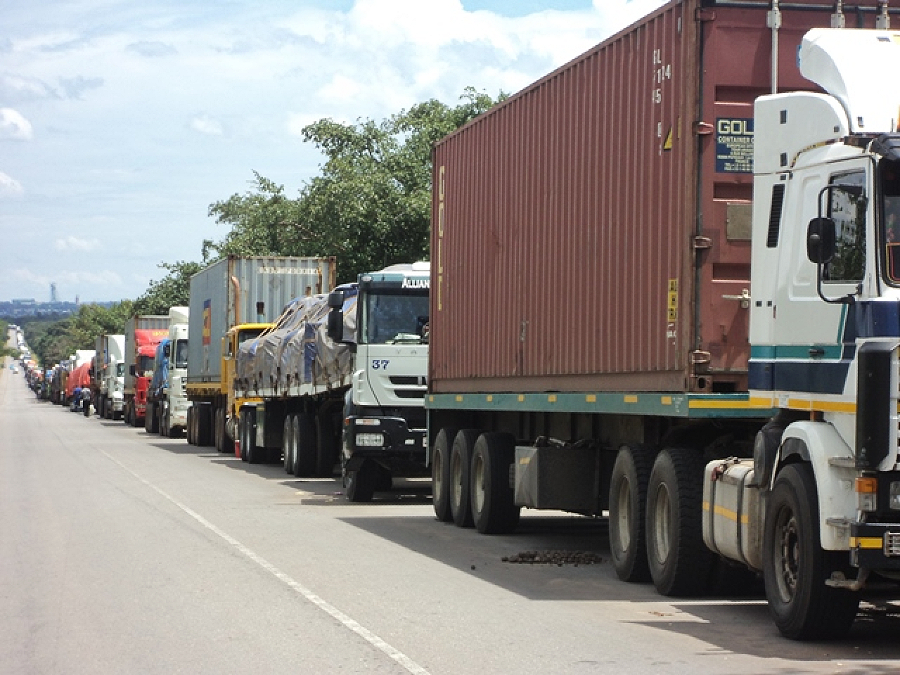
The most recent conflict involves Zambia and the Democratic Republic of Congo (DR Congo), resulting in the closure of their shared border.
The trade dispute between Zambia and DR Congo began on June 26, when DR Congo’s Ministry of Trade issued decrees imposing a year-long ban on the importation of beers, soft drinks, gray cement, and clinkers. The DR Congo government defended these measures as necessary to protect domestic industries and promote local production.
However, the ban on beverages has drawn strong opposition from Zambia, which exports significant amounts of these products to DR Congo and relies on this trade for foreign exchange earnings. In retaliation, on Saturday, August 10, Zambia decided to close its border with DR Congo, effectively halting all trade between the two countries. Zambia later agreed to reopen the border on Monday night following a meeting between Zambia’s Commerce, Trade, and Industry Minister Chipoka Mulenga and Congolese officials in Lubumbashi, a city near the border.
Both countries are members of the Common Market for Eastern and Southern Africa (COMESA) and the Southern African Development Community (SADC). However, DR Congo does not participate in the free trade areas of either organization, leading both countries to continue imposing customs duties on each other’s imports.
Despite their involvement in and ratification of the AfCFTA, which aims to eliminate tariff barriers on 97 percent of tariff lines and remove non-tariff barriers among member states, these recent trade disputes underscore persistent challenges. Notably, these barriers have not been reported in the Tripartite or AfCFTA non-tariff barrier (NTB) monitoring databases, raising concerns about the effectiveness of these platforms in addressing and resolving trade issues among African countries.
What is particularly troubling is that even as African nations express their support for the AfCFTA, protectionist policies and trade disputes continue to dominate their trade relations.
This situation is not unique. In June 2024, Jeune Afrique published an article detailing how diplomatic tensions between Algeria and Morocco have significantly affected trade between the two nations, with trade volumes plummeting by over 80 percent since 2021, following Algeria’s decision to sever diplomatic ties with Morocco.
The Moroccan Foreign Exchange Office reported that in 2023, trade between the two countries was valued at 1.3 billion dirhams (US$130 million), the lowest level since 1999. This represents a major setback for Africa’s efforts to create a single market and integrate regional markets into a continental free trade area.
Unfortunately, these are not isolated incidents. The erection of trade barriers among African countries not only disrupts intra-African trade but also diverts trade to external markets, undermining the AfCFTA’s goal of increasing trade within Africa, which is already low compared to other regions. This pattern of self-sabotage among African states casts doubt on the likelihood that the AfCFTA will achieve its intended goals.
Danilo Desiderio serves as the CEO of Desiderio Consultants Ltd in Nairobi, Kenya specializing in African customs, trade, and transport policies.
