
Business
Somalia: Nation gradually rises from the ashes, opportunities abound in telecommunications sector
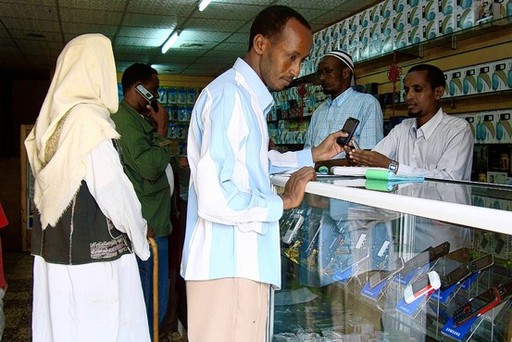
Somalis register new cell phones. PHOTO/Reuters
It may be two steps forward and one step back but Somalia is beginning to pick itself up off the ground after years of civil war. In the absence of regulation, a telecommunications sector has developed. Now the new government must put in place regulation and start to focus on connecting the disparate parts of the country.
In political terms, there are three parts of Somalia in which it’s possible for the telecommunications sector to develop: the area controlled by the new government around around the capital Mogadishu; Somaliland (which has declared independence); and Puntland (which has not declared independence).
Security issues have made it difficult for even outside investors with strong nerves to get involved.
Somaliland is considered much safer, however, Puntland is not as safe because of the sea pirates who base themselves there.
Despite the security issues, diaspora Somalis are coming back to Mogadishu and setting up businesses like cafes, restaurants and hotels.
In the absence of tax and regulation, the mobile sector has flourished and penetration is just under a quarter of the population, with around 2.3 million subscribers at the end of 2012. Mobile communications is a vital lifeline between Somalis across the country and the Somali diaspora who provide much of the funding that keeps the country afloat.
There are five main players in the mobile market: Hormuud Telecom (HorTel), Somafone, Telesom, Nationlink and Telecom Somalia. HorTel is by far the biggest player out of all these with a market share of just over 40 percent. Some operate only in Somaliland and Puntland, whereas others provide something approaching a national service. Some part of these networks offer GPRS/EDGE and 3G.
