
Business
Solar Panel Factories Spark Job Growth Across Africa
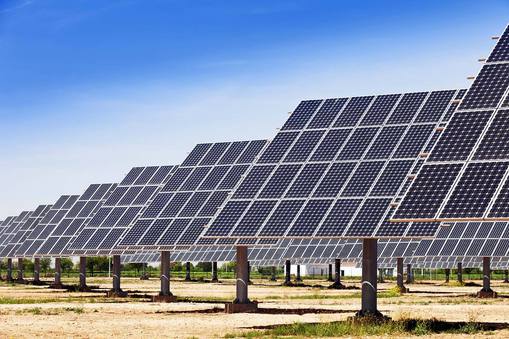
When Mozambique’s first solar panel factory opened in November 2013, it was such a big deal that President Armando Guebuza spoke at the inauguration. Located at the Beluluane Industrial Park outside Maputo, the factory was financed through a $13-million loan from the Export-Import Bank of India. Owned by the National Energy Fund, the plan is to make cheap solar panels available for Nigeria’s massive rural electrification projects with a focus on village schools and health clinics.
Empowering Rural Areas
Large foreign companies will choose one country over another to build their solar panel factories based on a particular government’s dedication to renewable energy, how stable the country is, and if there are any tax incentives or procurement programs.
And as more solar panel manufacturers set up shop, other specialty tech companies follow to produce the needed components that make solar power systems work – such as inverters, power controllers and storage batteries. When this tech synergy happens in clusters, there are local jobs created side-by-side with imported foreign professionals. In fact, some countries like South Africa insist on locals being hired when foreign companies locate in the area.
Creating these jobs in rural areas is not that difficult, according to Worldwatch Institute. Less high-skill, technical jobs could easily expand into more remote areas. Worldwatch Institute created the EmPowering Africa program to help leaders in sub-Saharan Africa “transition to a sustainable energy economy.”
“We have this fascinating case of the ‘solar women’ in Central America, which is a local initiative — just some women living in very remote areas of Nicaragua that started to assemble solar PV cells and put them on roofs, and they’re doing everything themselves,” Worldwatch’s Ochs told AFKInsider. “They have some basic material and they have support by international NGOs that gave them the basic materials that they need. But they’re assembling, and they’re putting the wires up on the roofs, and they’re electrifying houses that never had access to modern electricity.” It’s feasible this same micro-production model could spread to African villages, Ochs said.
Source: AFK Insider
