
Business
Renewables: The sparks of a clean energy revolution
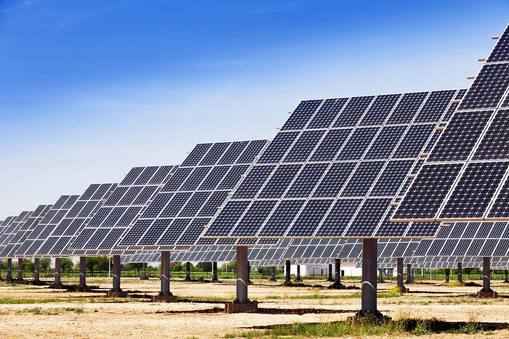
In January, a consortium of companies in Ethiopia signed a contract to construct a biomass energy facility in Addis Ababa, while further plants in Djibouti, Senegal, Uganda and Kenya are already under discussion. Meanwhile, a new study by the Middle East Economic Digest estimates that the Middle East and North Africa could receive more than $50 billion of investment in solar power by 2020.
The report says that a host of solar, wind and hydroelectric projects are set to be commissioned within the next six years that would generate an extra 37,000 MW of electricity. North African countries in particular are planning a push into solar projects with Egypt’s solar projects expected to generate around 1,800 MW, while Algeria is hoping to generate some 3,000 MW through photovoltaic cells.
Morocco, meanwhile, announced in 2009 a range of wind farms and solar plants in the Western Sahara to generate 4GW of energy by 2020, although these have run into legal problems due to a dispute over ownership of the sites where the facilities are to be built.
Rift valley plant
The Kenyan government is also investing heavily in geothermal plants and is already installing turbines for a 350 MW plant in the Rift Valley, with plans for a 400 MW plant and 800 MW facility in the Menengai Crater. This is part of the country’s plan to generate 26% of its energy from geothermal sources by 2030. If achieved, this would make clean energy the largest source of energy in Kenya.
According to estimates from the World Bank, geothermal electricity production from east Africa’s Rift Valley could provide power to 150 million homes. Meanwhile, Ormat Technologies announced at the beginning of February that its Number 3 plant, part of the Olkaria III geothermal complex in Naivasha, Kenya, had now launched commercial operations.
This comes three months ahead of schedule and means that the complex has boosted its energy generation capacity by 110 MW. If local investors and banks are to profit from this push into green energy, they must be persuaded that such projects can bring good returns, explains Kiene.
“Part of the issue here is to make people understand that investing in renewables in Africa is not like giving to charity,” he added. “There are chief financial officers who are choosing to invest. There is a huge under-provision of electricity among African citizens. People have the money and are prepared to pay for good and reliable electricity services, but still they cannot get them. This is a huge untapped market and that means there is real potential here too.”
Copyright The Africa Report 2014
