
Life
Reflecting on the fall of Ethiopia’s Haile Selassie, 50 years later
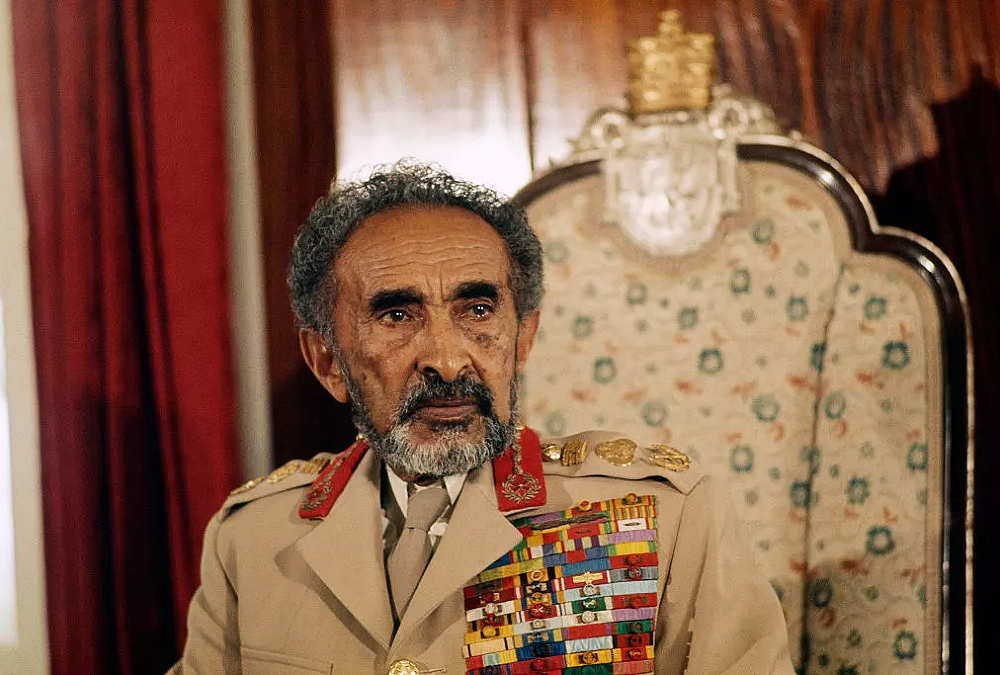
On this day fifty years ago – September 12, 1974, Ethiopia’s Emperor Haile Selassie I was deposed by the Armed Forces Coordinating Committee, known as the Derg, after months of widespread protests and strikes across the country.
A severe drought during the winter of 1973 had devastated the northern regions of Wollo and Tigray, leading to a famine that claimed countless lives. The haunting images of the famine’s victims, along with ongoing economic challenges and Ethiopia’s deeply entrenched feudal system, fueled rising discontent against Haile Selassie, who had ruled for 44 years.
Haile Selassie had first risen to prominence in 1916 when he was crowned regent alongside his aunt, Empress Zewditu. In 1930, he took the throne of Abyssinia under the name Haile Selassie I.
As the 225th descendant of the legendary King Solomon and Queen of Sheba, Haile Selassie carried immense prestige and authority as the Negus of Ethiopia.
Confronting Mussolini
Haile Selassie became an international symbol of Ethiopian sovereignty during the Italian invasion led by dictator Benito Mussolini in 1935. Forced into exile in Europe, Selassie delivered a powerful speech at the League of Nations on June 28, 1936, making a significant impact on the global stage.
On May 5, 1941, Haile Selassie returned to Addis Ababa via Sudan, triumphantly re-entering the capital, which had been liberated by Anglo-Indian forces with support from the Free French Forces.
As the emperor of a nation that had never been colonized, Haile Selassie represented the aspirations for independence across Africa.
Initially respected as a reformer, especially for his role in the abolition of slavery, Haile Selassie was also a staunch advocate for African unity. He played a key role in the establishment of the Organization of African Unity (OAU) in 1963, securing Addis Ababa as its headquarters.
