
Business
Rail in Ethiopia riding high while Kenya is still lagging behind
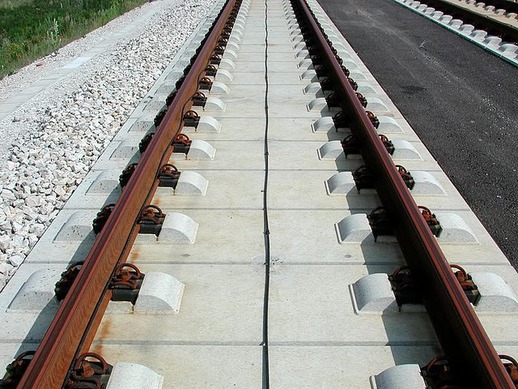
The company is doubling its number of locomotives this year, but the long-term viability of its concession is now in doubt. China Export-Import Bank has agreed in principle to provide 85% of the finance for the standard gauge line, which estimates put at a cost of $5.3 billion.
However, transport principal secretary Nduva Muli told the Public Investments Committee in early February that the cost of the project had not been agreed and the finance deal had not been signed. The first phase will cover 500km, while the second phase would link the line to the Ugandan capital of Kampala. Work is expected to begin in July of this year and last four years.
The government started the process of buying up land along the railway’s proposed path in February. The Nairobi government says that the project will be beneficial because it will reduce freight costs from $0.20 per ton/km to $0.08 per ton/km. In late January, Kenyatta said “the standard-gauge railway must and will go ahead for us to achieve our development agenda,” and said that critics are sore losers who lost out on the contract.
China controversy
The Chinese and Kenyan governments signed a state-to-state contract that includes a provision that China Road and Bridge Corporation (CRBC) will carry out the work. Groups opposed to the deal say that there are no provisions in the constitution for single-sourced deals like this one and point to the fact that the World Bank banned the company from participating in its bids due to corruption involved with a contract in the Philippines.
Critics also argue that the deal allows CRBC to conduct the feasibility studies, so there is no independent oversight on costs, which they say are inflated and more expensive per kilometer than its Ethiopian counterpart. The authorities say the deal is structured like this because the previous government under President Mwai Kibaki had shopped around for financiers and found Beijing to be the only party interested.
With China Merchants Holdings having signed a deal with the Tanzanian government in May 2013 to build a port, special economic zone and railroad network at Bagamoyo, competition in East Africa’s transportation and other sectors is heating up. The Ugandan government has now agreed to build a pipeline through Kenya that could terminate at the new port under construction at Lamu, in northern Kenya.
Both the Kenyan and Ethiopian governments would like to serve as South Sudan’s access route to the coast, so being the first across the finishing line is crucial for wooing the Juba government. The ports at Bagamoyo and Mombasa can both attract trade from Rwanda and the Democratic Republic of Congo, providing East Africa with some of the continent’s densest rail networks.
Copyright The Africa Report 2014
