
Business
Portable Solar Power Finds a Market in Rural Africa
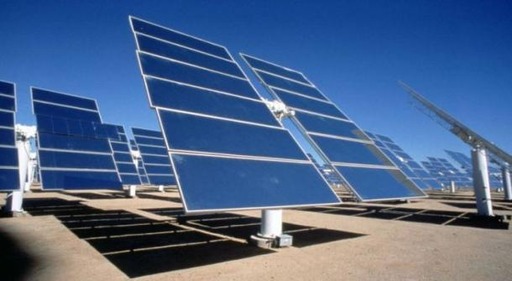
Pay-as-you-go solar power and solar-powered computers for students are a few of the off-grid power systems taking off in parts of Africa where resident have no access to electricity. In many developing areas, relatively inexpensive, decentralized off-grid power systems are often the most appropriate for rural electrification.
The choice of power solution depends on population density, income levels, and other factors, said Wanda Halbert, marketing manager for solar firm Azuri. “The grid is expanding, but in many countries grid electricity is struggling to keep up with the increasing demands of the electrified population, most of whom live in cities, leaving little progress on the huge task of electrifying more sparsely populated rural communities,” Azuri said in an AFKInsider interview.
Even very small, portable solar systems are considered a sensible alternative to the current dependence on kerosene lamps to light African homes. Kerosene is unhealthy and expensive in the long run. It can be bought in small amounts to fit a family’s cash flow. By contrast, roof-mounted solar array cost much less in the long run, but normally require a large up-front investment.
New innovative programs
Lighting Africa is a joint renewable-energy off-grid solar power project of International Finance Corporation and World Bank that works towards improving lighting in areas not yet connected to the electric grid. The Lighting Africa program uses off-grid lighting products that are portable, stand-alone, rechargeable, and can be installed without a technician.
These products are relatively affordable, with some retailing for $10 or less. Some have batteries and solar panels built into the lamp; others have separate components that can be easily connected to each other and to mobile phone charging kits.
To date, Lighting Africa has helped more than 7.7 million people in Africa access lighting.
Pay-As-You-Go Solar Power
Because a larger share of Africa’s population has mobile phones than electricity, this has created a unique opportunity to bring power to rural areas with no grid access. Pay-as-you-go plans for off-grid solar power combining solar and mobile phone technology.
Spun off from solar manufacturer Eight19, Azuri Technologies first introduced its pioneering Indigo pay-as-you-go solar technology in Nimule, South Sudan in 2012. “The customer buys a scratch card from a network of agents and sends the scratch card number by SMS to a local number,” Azuri’s Halbert told AFKInsider.
