
Business
Peanut Butter Isn’t American – And Africa Is Leading the Global Appetite

By Mark-Anthony Johnson
When you think of peanut butter, you might picture American school lunches, pantry staples in suburban kitchens, or nostalgic jars of creamy spread. But the truth is far more complex – and far more global – than the popular narrative suggests.
Contrary to widespread belief, peanut butter was not invented in the United States. And while America remains a major exporter, it’s not even close to being the world’s top consumer.
The real heart of peanut butter culture beats strongest in West Africa and Southeast Asia, where groundnut paste is not a snack, but a culinary cornerstone. Countries like Burkina Faso, Myanmar, and Chad lead global per-capita consumption – despite having limited industrial food processing sectors.
Their secret? Peanuts aren’t a luxury; they are a lifeline.
Debunking the American Myth
While the U.S. played a pivotal role in industrializing peanut butter – thanks to figures like George Washington Carver and later mass producers like Jif and Skippy – it did not invent it. Indigenous civilizations in South America first cultivated peanuts over 3,500 years ago.
From there, the legume traveled to Africa via Portuguese traders in the 15th and 16th centuries, where it was quickly adopted and integrated into local cuisines.
Today, the U.S. remains the world’s largest commercial exporter of peanut butter products, but its domestic consumption pales in comparison to nations where peanut-based foods are dietary essentials.
Africa: Where Peanut Butter Fuels Tradition and Nutrition
Across Africa, peanut butter – commonly known as “groundnut butter” – is far more than a sandwich spread. It’s a foundational ingredient in traditional cooking, particularly in West African nations like Nigeria, Ghana, Mali, and Senegal.
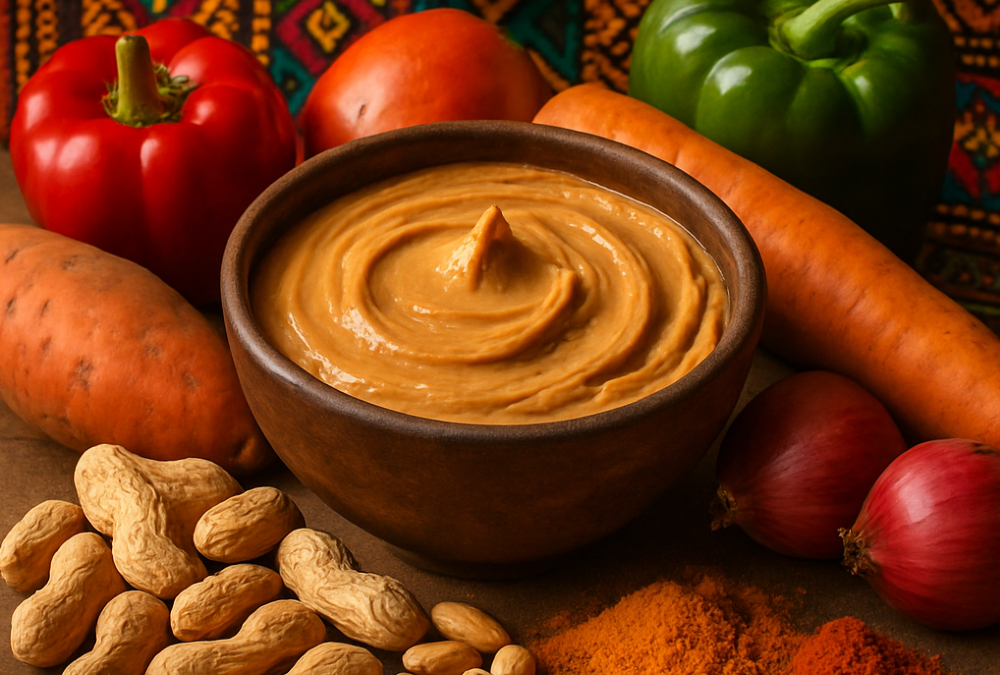
Groundnut stew, a rich, savory dish made with tomatoes, onions, peppers, and leafy greens, is a staple passed down through generations. In this context, peanut butter isn’t a condiment – it’s a thickener, a protein source, and a flavor enhancer all in one.
In North Africa, groundnut paste appears in marinades and spice rubs, adding depth to grilled meats and vegetables.
Beyond the kitchen, peanuts play a vital role in public health. Ready-to-Use Therapeutic Food (RUTF), a peanut-based paste, has revolutionized the treatment of severe acute malnutrition in children.
Brands like Plumpy’Nut – developed in France but widely produced and used across Africa – have saved millions of lives. This life-saving innovation underscores the nutritional power of a humble legume.
Yet, despite high consumption and production, Africa exports very little peanut butter. Why?
Challenges like aflatoxin contamination (a toxic mold that can grow on poorly stored peanuts), inconsistent quality standards, and underdeveloped processing infrastructure limit international trade. Most domestic use involves freshly ground paste, not shelf-stable jars – making per-capita data tricky to interpret.
Asia’s Peanut Boom: From Staple to Status Symbol
While Africa uses peanuts as a necessity, Asia is embracing them as a symbol of modernity. China and India are now the fastest-growing markets for Western-style peanut butter, driven by urbanization, rising incomes, and youth fascination with global food trends.
In cities like Shanghai, Mumbai, and Jakarta, peanut butter is increasingly found in smoothie bowls, toast bars, and fitness-focused diets. It is no longer just a foreign curiosity – it’s a lifestyle product.
Meanwhile, in Myanmar, groundnut paste remains a daily cooking staple, used in everything from curries to noodle dishes, contributing to some of the highest per-capita consumption rates in the world.
Mark-Anthony Johnson is the founder and CEO of JIC Holdings, a global asset and investment management firm founded in 2009. With over 30 years of experience and strong ties to Africa, his investments span mining, infrastructure, power, shipping, commodities, agriculture, and fisheries. He is currently focused on developing farms across Africa, aiming to position the continent as the world’s breadbasket.
