
News
Obama and other G-8 leaders focus on eurozone crisis
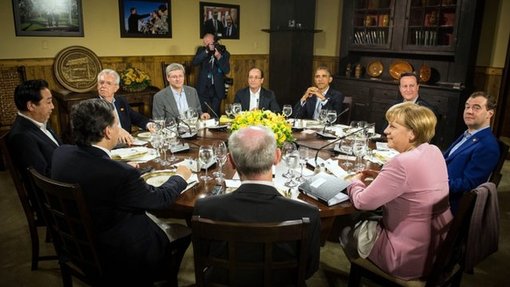
“We’ll also be talking about uncertainty in the energy markets and how to resolve some of those issues,” Obama said at the start of discussions on the global economy.
Obama chose the secluded Camp David setting in part to give leaders a chance for a freewheeling discussion out of sight of most media and far from the raucous protests that have accompanied previous meetings of the G-8.
The G-8 session sets the stage for a far more consequential European summit in Brussels next week where the countries that share the euro as their currency hope to come together on specific steps to fight rising debt while spurring a recovery.
The Camp David gathering opened with a Friday evening discussion focused on global trouble spots Iran and Syria. Obama said the session also touched on North Korea’s aggression and hopeful signs of democratic change in Myanmar.
“We are unified on our approach to Iran,” and hopeful of progress ahead of a diplomatic meeting with Iran next week, Obama said Saturday.
Iran may have a peaceful nuclear energy program but misuse of that program for a nuclear weapon is unacceptable, Obama said. Ever-tighter economic sanctions cannot be loosened while the world encourages Iran to rein in its program, Obama said.
“All of us are firmly committed to continuing with the approach of sanctions and pressure in combination with diplomatic discussions,” Obama said. “And our hope is that we can resolve this issue in a peaceful fashion that respects Iran’s sovereignty and its rights in the international community, but also recognizes its responsibilities.”
