
Business
Nigeria may be forced to devalue Naira on account of falling oil prices
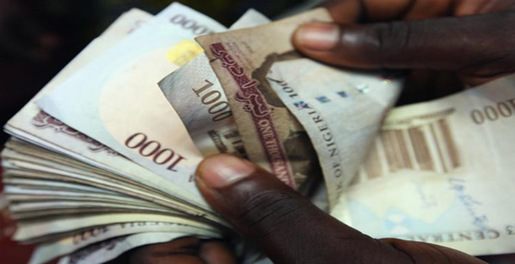
Nigerian authorities are facing growing pressure to devalue the Naira as the price of oil, its biggest source of foreign exchange, trades at the lowest level since 2004.
The Bank of Nigeria may revise its target for the Naira by more than 20 percent to 240-250 per U.S. dollar as oil continues its decline. Prices on 3-month Naira forwards weakened as much as 0.8 percent to 239.50 per dollar on Thursday, the highest on a closing basis since mid-February. The currency was unchanged at 199.05 per U.S. dollar by 3.54 p.m. in Lagos (9.54 a.m. EST).
According to John Ashbourne, the Africa economist at Capital Economics, “cumbersome foreign-exchange restrictions are strangling economic growth”. “The authorities in Nigeria will be forced to devalue the Naira in the first half of 2016.”
Nigeria – Africa’s biggest economy – needs more flexibility in setting monetary policy so it can use its foreign-currency reserves to support the population. The Bank of Nigeria held the Naira at 197 to 199 per U.S. dollar since March as Governor Godwin Emefiele introduced trading curbs to conserve reserves and stem a rout after it fell to a record 206.32 in February.
Oil accounts for two-thirds of government revenue and almost all exports. The slump is weighing on growth, which is forecast to slow to 3.2 percent last year, the slowest pace this century, according to a Bloomberg survey of economists.
A devaluation would be the third since November 2014, when the central bank lowered the midpoint of the official peg by 8 percent to 168 per U.S. dollar. In February, it scrapped twice-weekly auctions at which the Naira was sold at a subsidized rate in a band that varied a maximum of 5 percent either side of the peg. That resulted in an effective weakening in the exchange rate of about 15 percent.
Since then, measures to protect the value of the currency only intensified, with Emefiele last year also stopping importers of around 40 items from toothpicks to glass and wheelbarrows from buying foreign exchange. The Naira may weaken to 220 per dollar by the end of the first quarter, according to the median estimate of five analysts last month.
“The restriction in dollar sales to importers of some products is promoting smuggling and causing loss of revenue to the government, which the authorities will want to correct,” Mike Nwanolue, a currency analyst at Lagos-based Greenwich Trust Group Ltd., said by phone.
Source: Bloomberg Business
